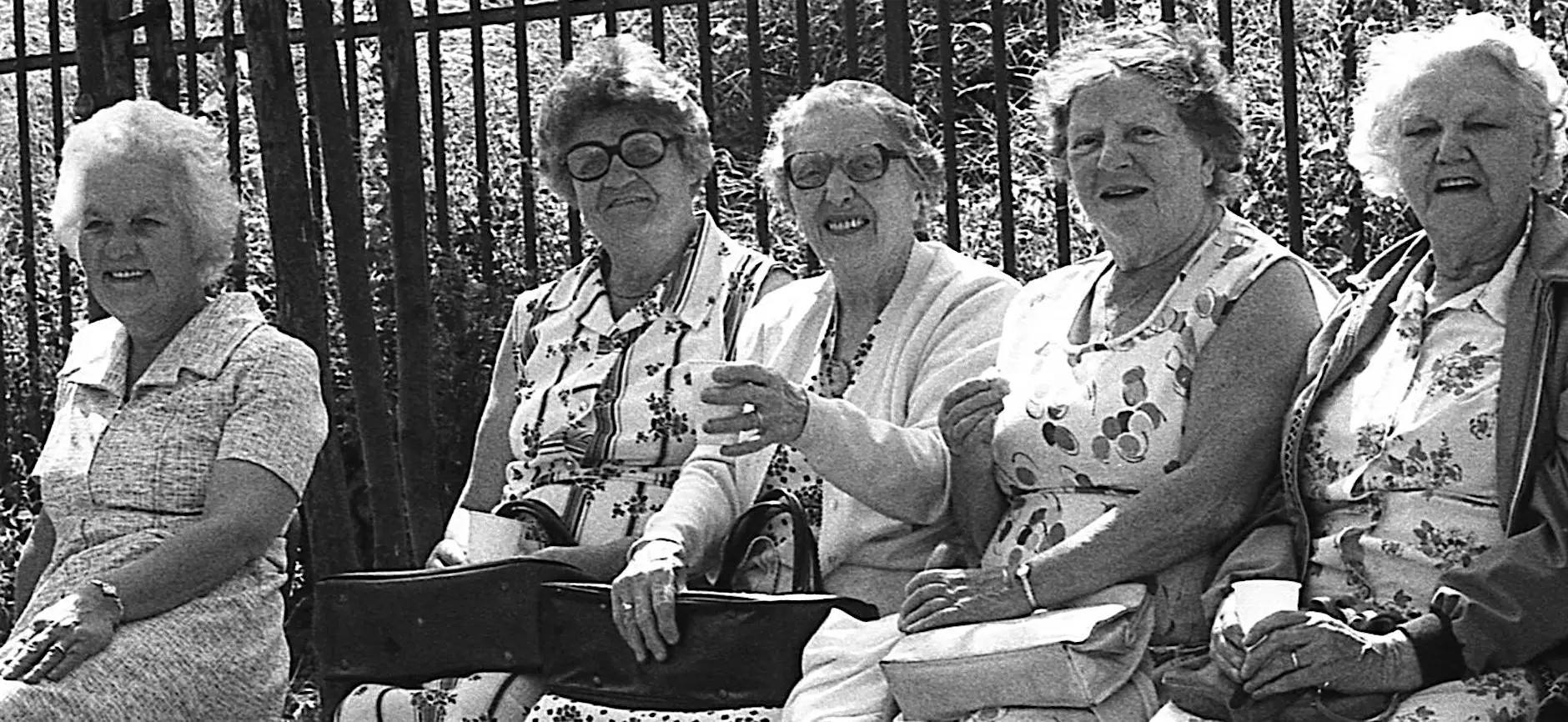
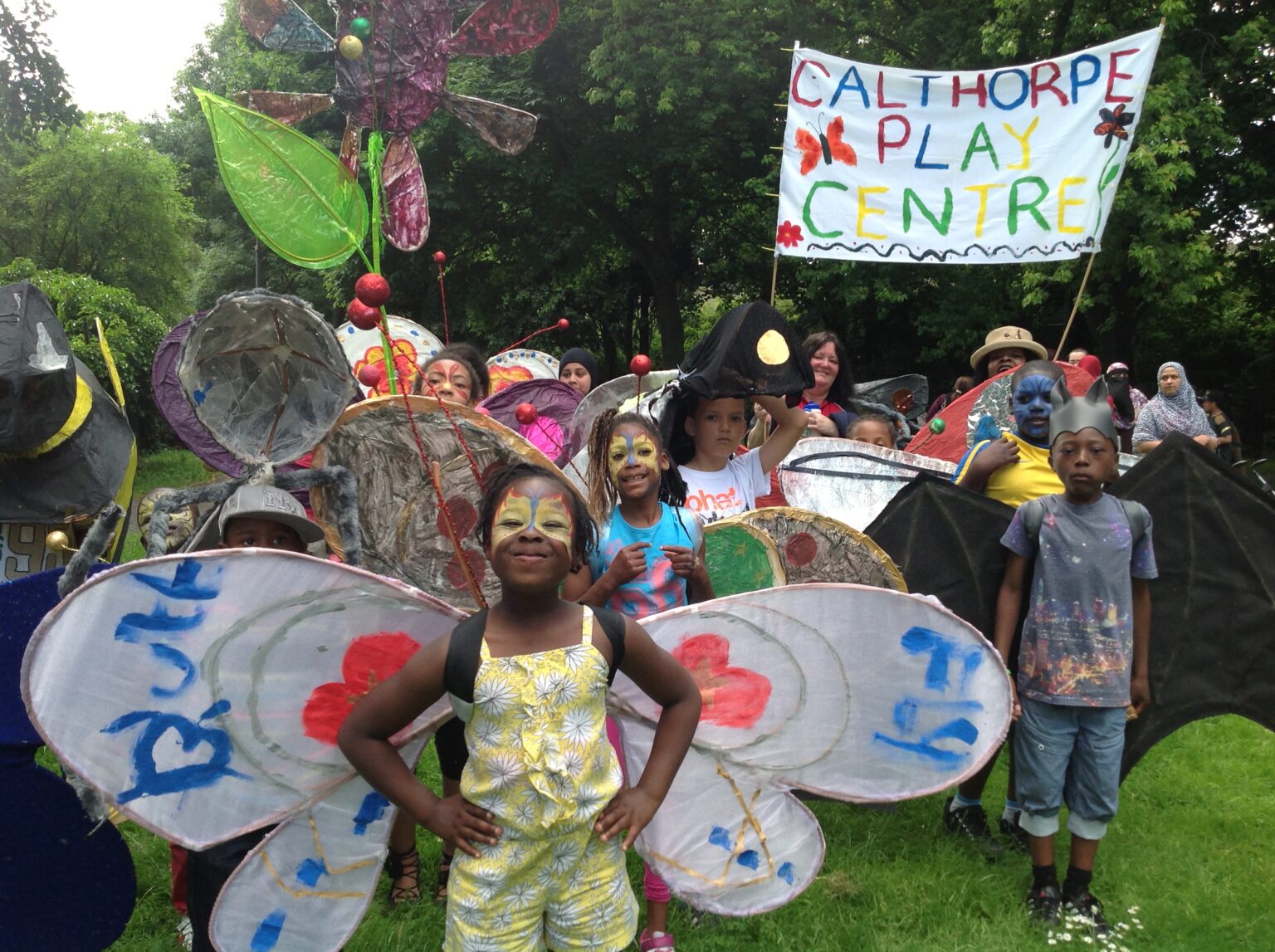
POSTPONED due to hot weather! We had intended to invite everyone to join us at St. Paul’s Venture Hall for an intimate event dedicated to the living history, stories and memories of Balsall Heath (we’ll confirm a new date soon!)
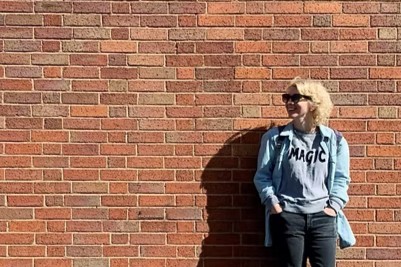
A live performance by Liz Berry, award winning poet, of her new poem
An interveiw with Liz Berry
A showing of film clips of Balsall heath from the 1960s to 1980s assembled by The Media Archive of Central England
Display of Balsall Heath Carnival from 1977 onwards
Liz’s work has been described by The Guardian as a “sooty soaring hymn to her native West Midlands.” An award-winning poet and author of the critically acclaimed collections Black Country (Chatto, 2014); The Republic of Motherhood (Chatto, 2018); The Dereliction (Hercules Editions, 2021) a collaboration with artist Tom Hicks; and most recently The Home Child (Chatto, 2023), a novel in verse.
Liz shares a deep, personal connection with Balsall Heath. Published in May 2026 and featured in the Times Literary Supplement, her new poem “Psalm” is a deeply evocative, secular hymn that celebrates community, resilience, and womanhood. True to her remarkable ability to transfigure working-class landscapes into something sacred, “Psalm” anchors itself right here in Balsall Heath.
Following the reading, Liz will join us for a brief interview to discuss the inspiration behind the poem and her lifelong project of mapping the emotional geography of the West Midlands.
Film Clips & Archives: An Earlier Balsall Heath
Step back in time with us as we screen a selection of rare film clips capturing Balsall Heath from decades past. It’s a wonderful opportunity to see how our streets used to look, spot familiar corners, compare and contract Balsall Heath past and present.
Balsall Heath Carnival
Do you remember the floats, the music, and the crowds of the classic Balsall Heath Carnivals? We will have special archive displays set up around the hall dedicated to the history of the Carnival. Come browse the photographs, share your own memories, and celebrate the enduring joy of our community coming together.
Event Details:
What: Memories of Balsall Heath (A Balsall Heath Community Festival Special Event)
When: To be Confirmed
Where: St. Paul’s Venture Hall, Balsall Heath
Featuring: A live reading and interview with Liz Berry, local heritage film screenings, and historical Carnival displays.
Whether you have lived in Balsall Heath your entire life or are new to the area, this evening is a celebration of your history. Let’s celebrate the extraordinary story of the place we call home.
Ever wondered how young people change the world? Woodcraft Folk is one hundred years old, and has been strong across Birmingham, including Balsall Heath, since its earliest days, working with young working class people for Social Change.
Find out more at the presentation on Thursday, 28th May 7pm, ‘100 years Spanning the World with Friendship in Birmingham’.
A Century of Co-operation and Education for Social Change
An educational, empowerment and advocacy movement for children and young people, Woodcraft Folk is the UK’s co-operative movement for Young People, committed to the international co-operative principles.
For a century, Woodcraft Folk has been empowering young people to understand the world around them and to take an active role in changing it for the better. “Spanning the World with Friendship” it has taught generations about environmental sustainability, peace, co-operation, and international solidarity through outdoor education, camping, and weekly group activities, linking to international organisations and campaigns.
As the movement marks its historic centenary, this upcoming talk will dive deep into its remarkable journey and how its values still resonate today.
Spanning Birmingham with Friendship
While the movement is international, Birmingham’s young people have been a vital part of this cooperative story as has been true for it’s centenary celebrations and activities. From local Woodchip and Elfin groups for the youngest members to pioneering youth-led social and environmental campaigns, Birmingham’s children have grown up learning how to co-operate.
We shall cry peace to all, And claim kinship with every living thing; That we hate War, Sloth and Greed, And love fellowship. And that we shall go singing to the fashioning of a new world.
Woodcraft creed
Exploring History Through 100 Objects
The guest speaker for the evening is Marcus Belben, for eight years Woodcraft Co-ordinator in Birmingham and dedicated Project Officer for the ‘100 Objects Spanning 100 years’ project in 2025.
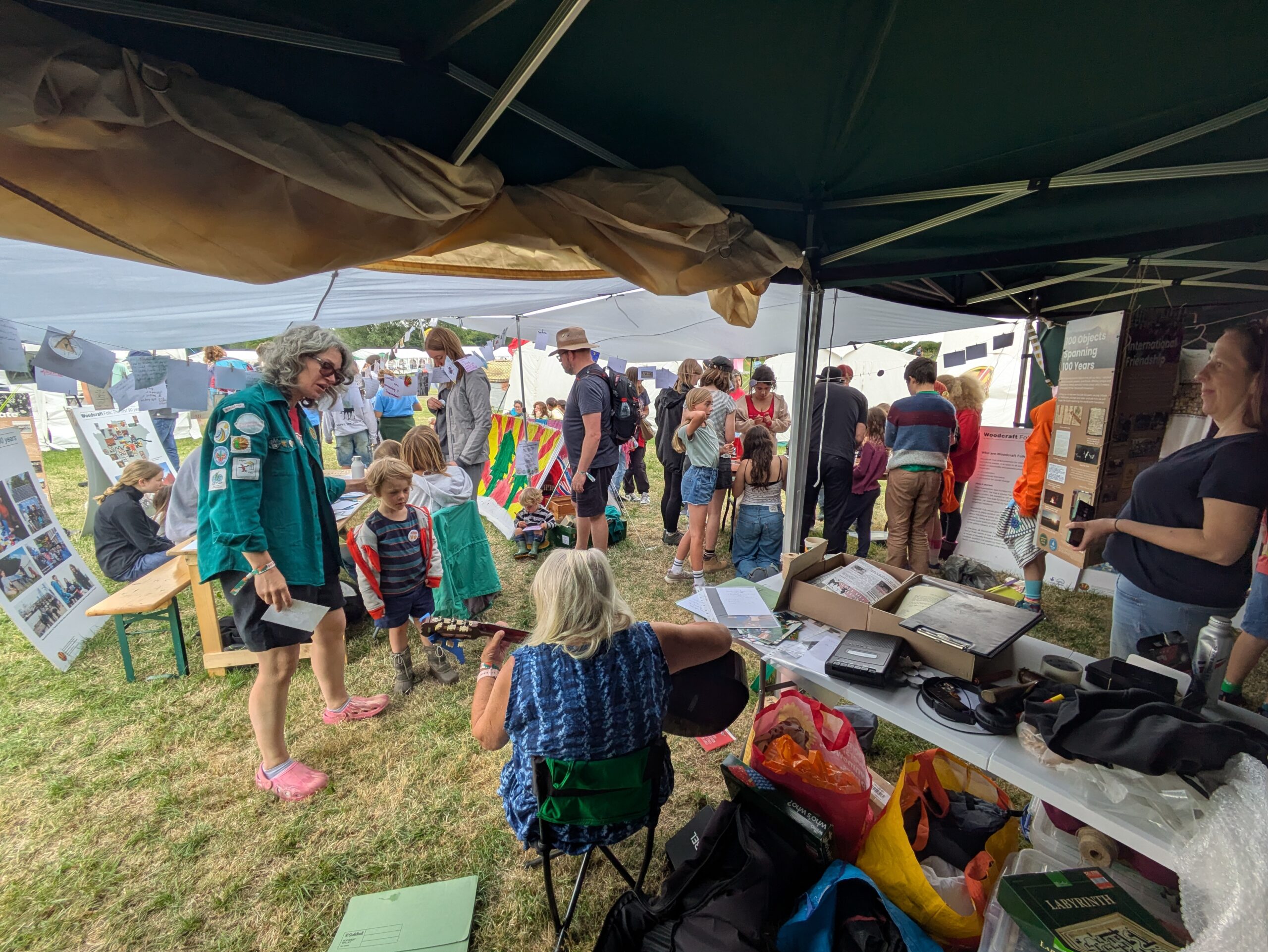
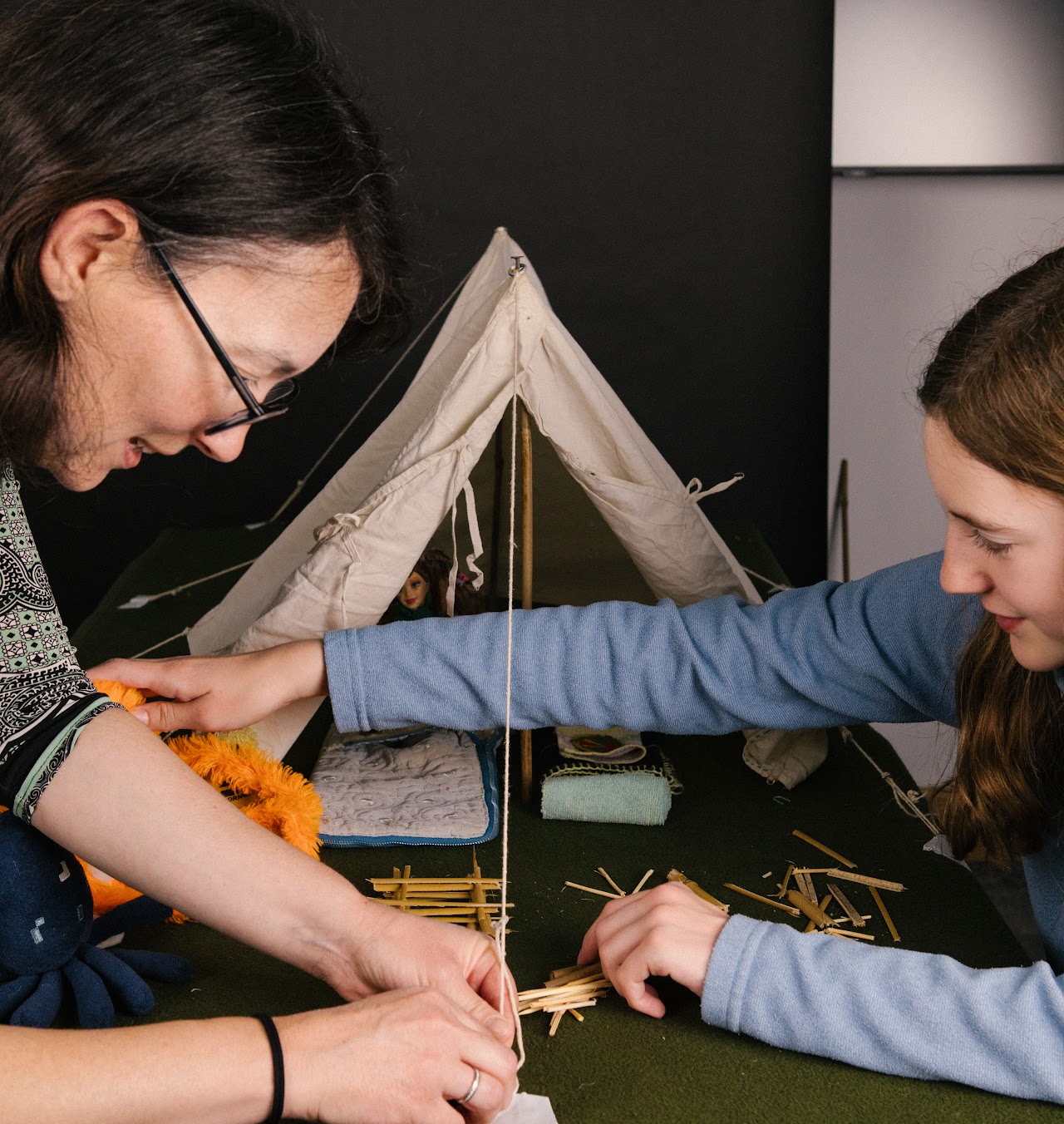
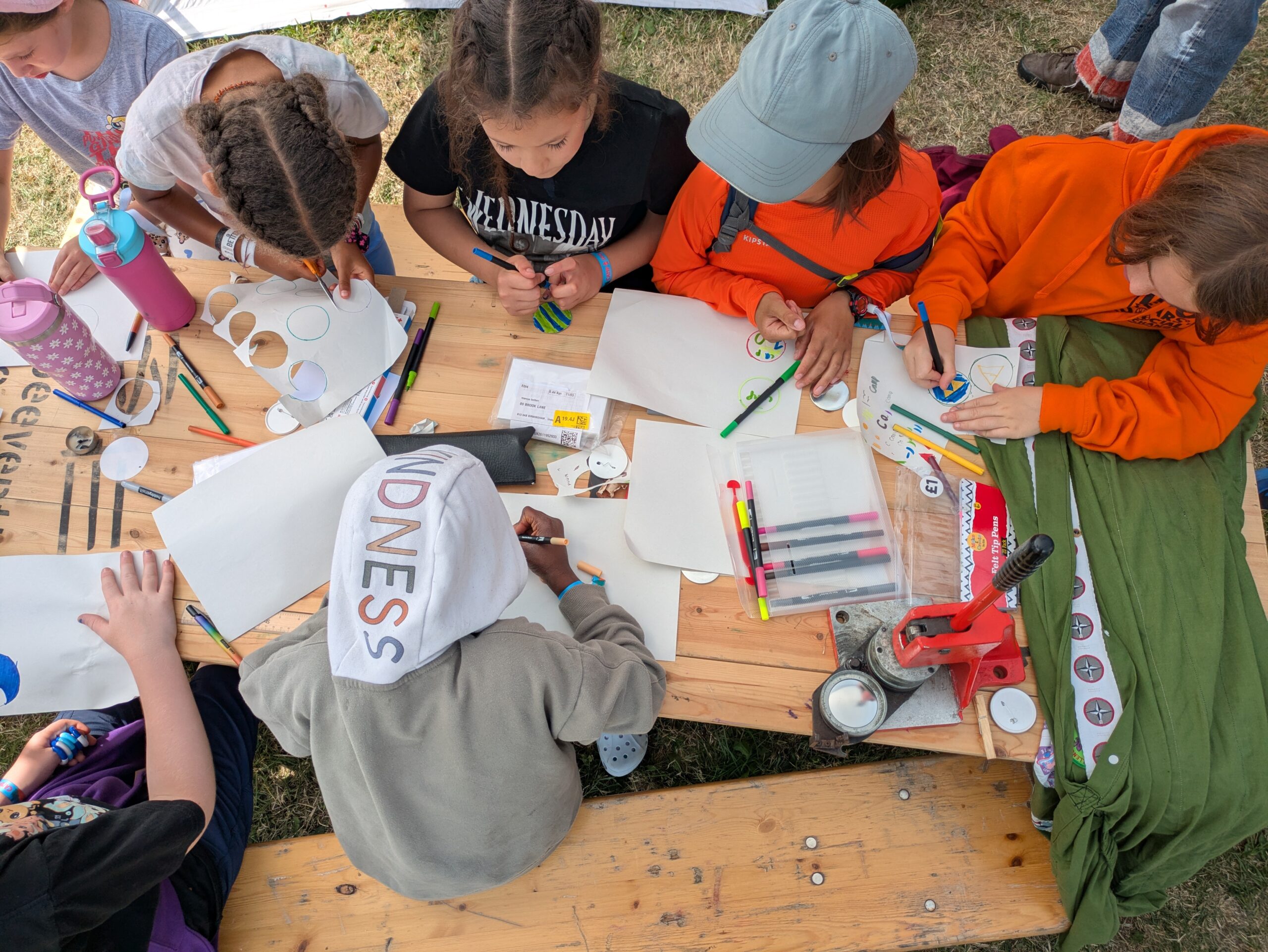
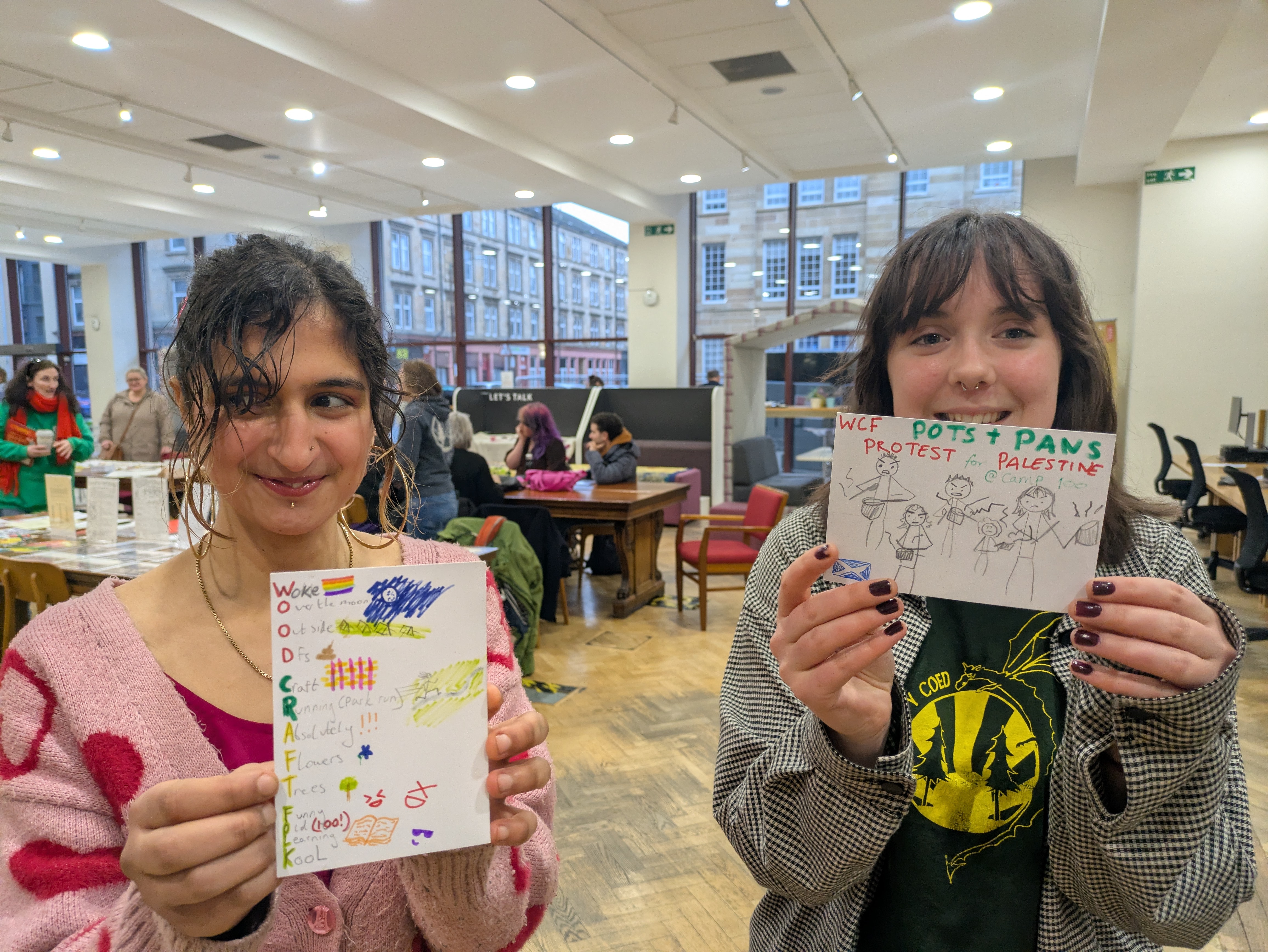
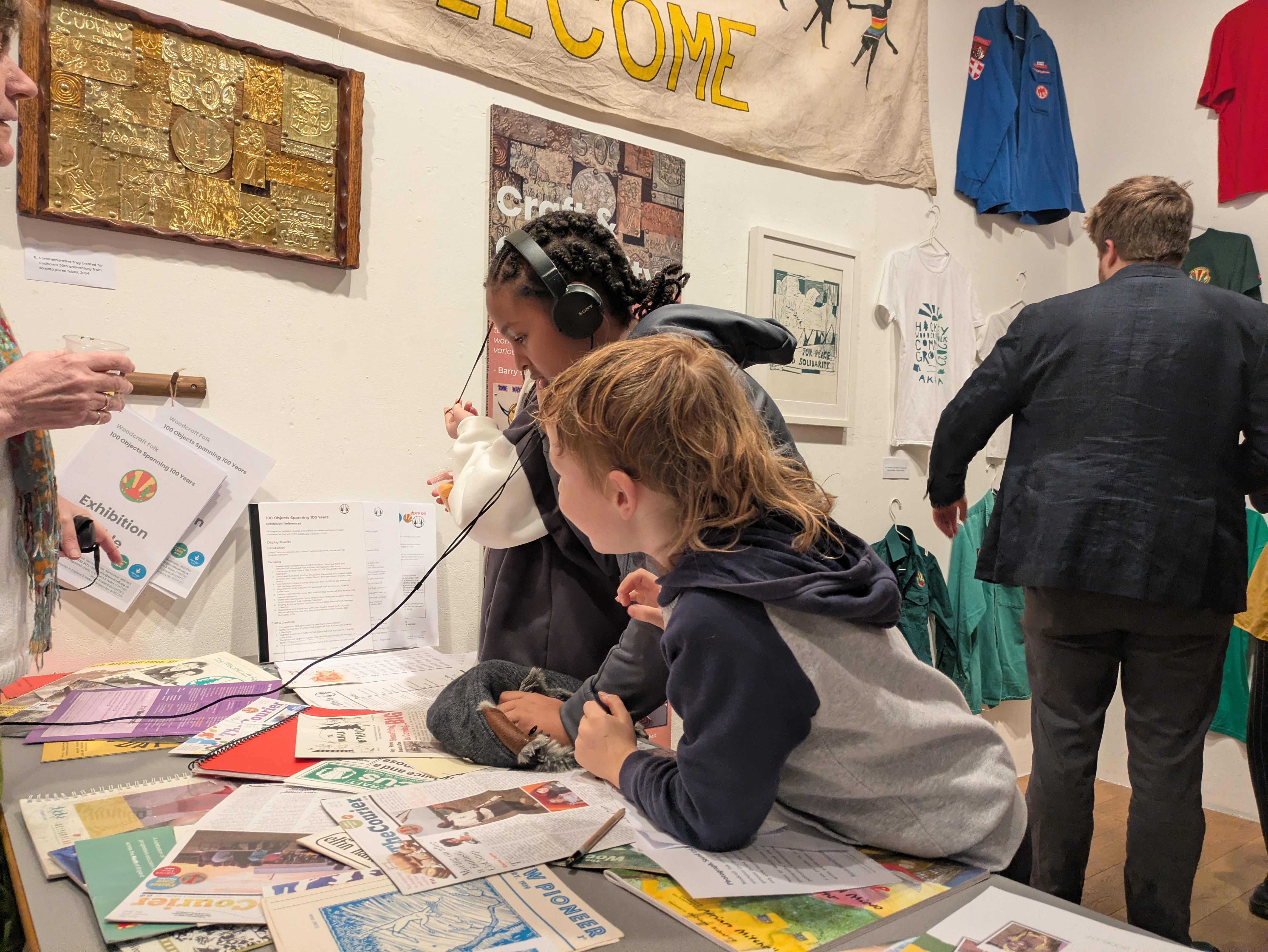
Woodcraft Folk have been digging into their archives as well as adding to it to curate a digital and physical UK wide touring exhibition of over 100 unique objects, 50 new interviews, 50 workshops, over 200 postcards, thousands of badges and stories. From vintage camping gear and historic badges to protest banners and international logbooks, each object offers a fascinating window into the lives of the young people and leaders who shaped the organization.
Marcus will be sharing the stories behind these objects, giving attendees an exclusive look at how a century of grassroots activism and youth empowerment has left its mark on society.
Event Details:
What: ‘Woodcraft Folk, 100 years Spanning the World with Friendship in Birmingham’– A Presentation by Marcus Belben
When: Thursday, 28th May 7pm
Where: St Paul’s Venture, Malvern St (off Clifton Rd), Birmingham, B12 8NN
Come along, bring a friend, and let’s celebrate a hundred years of spanning the world with friendship right here in Birmingham!
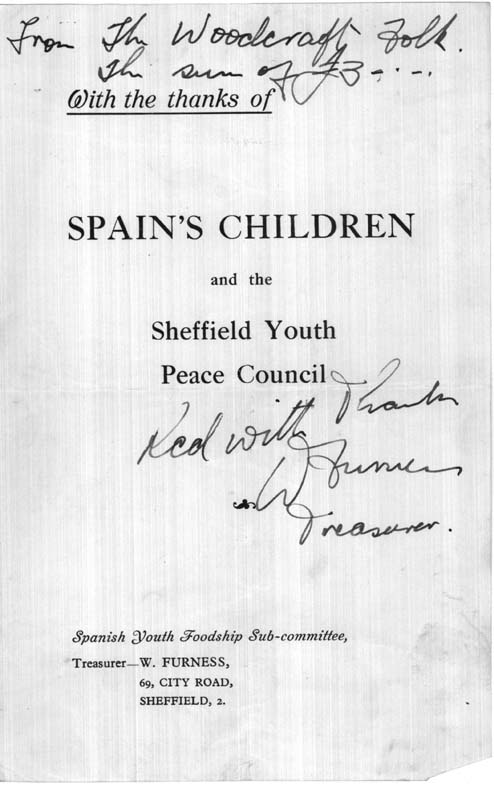
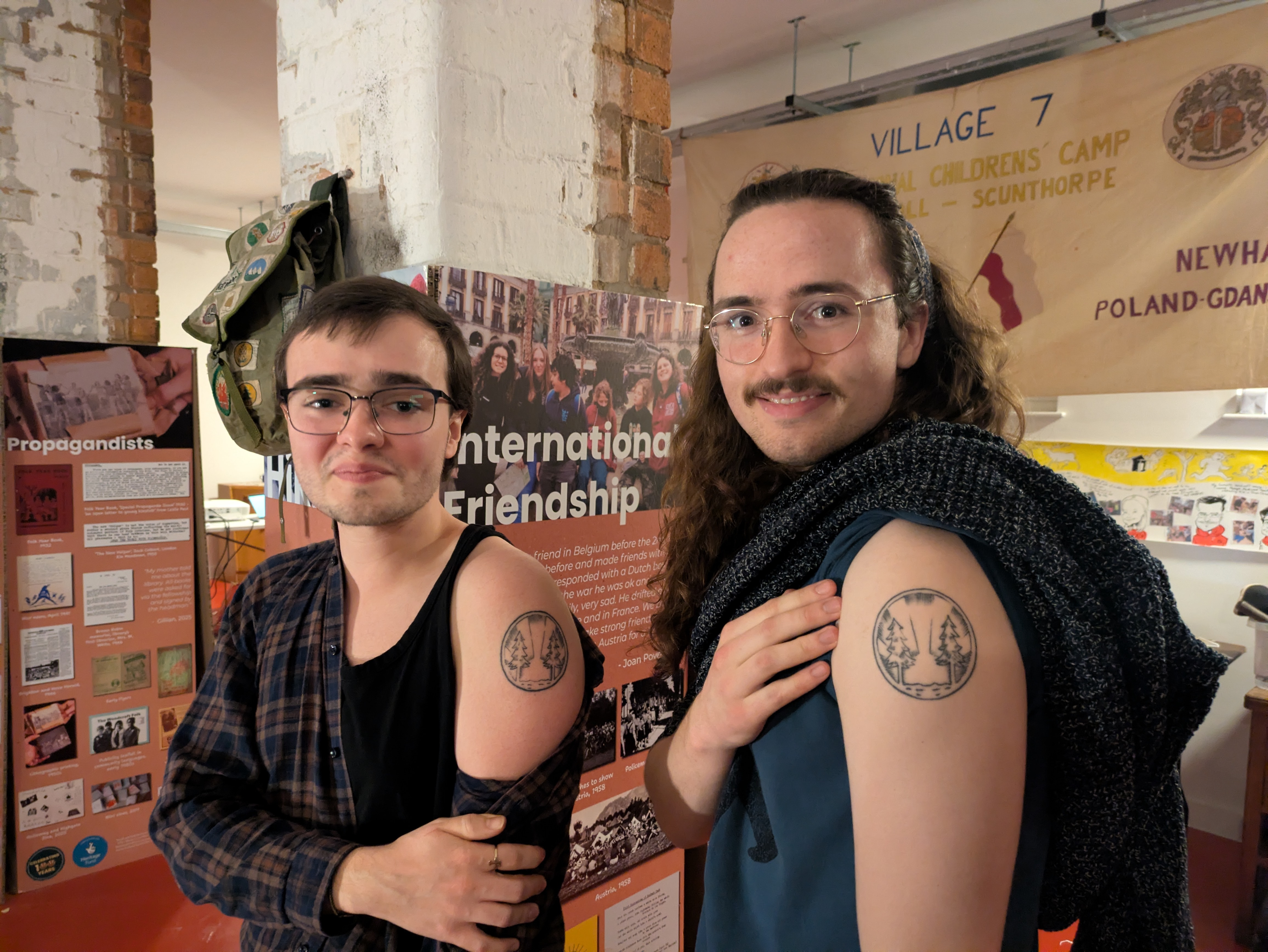
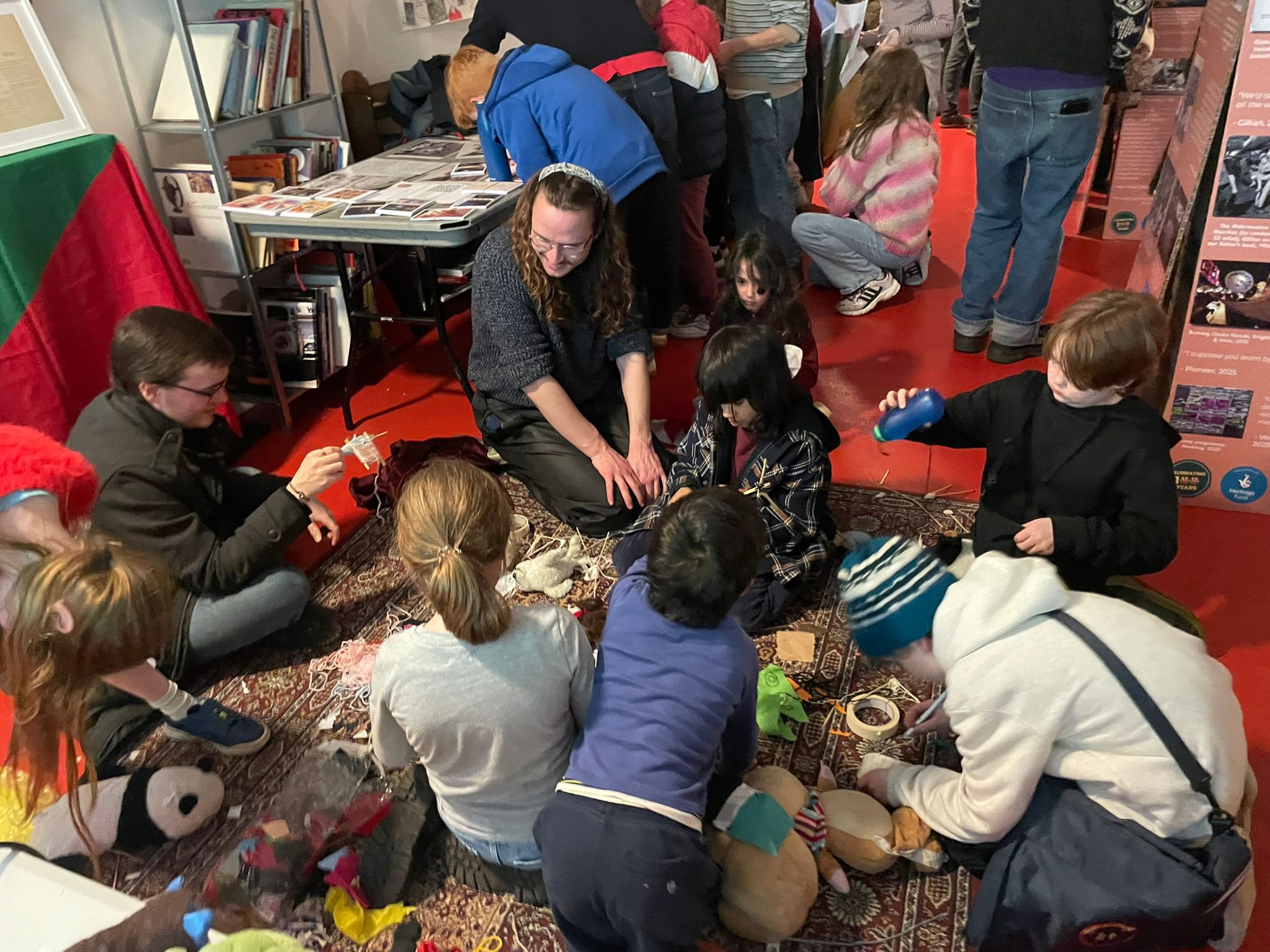
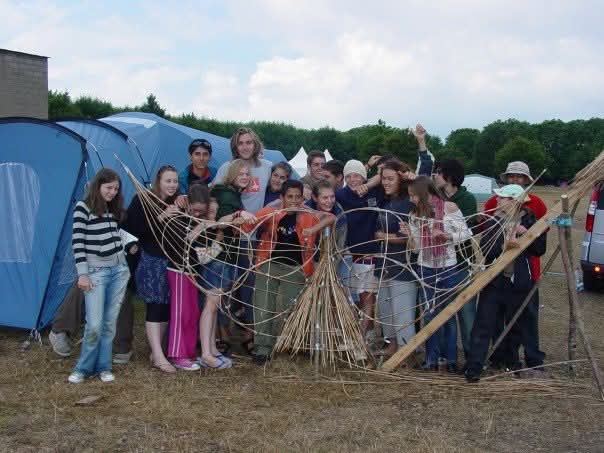
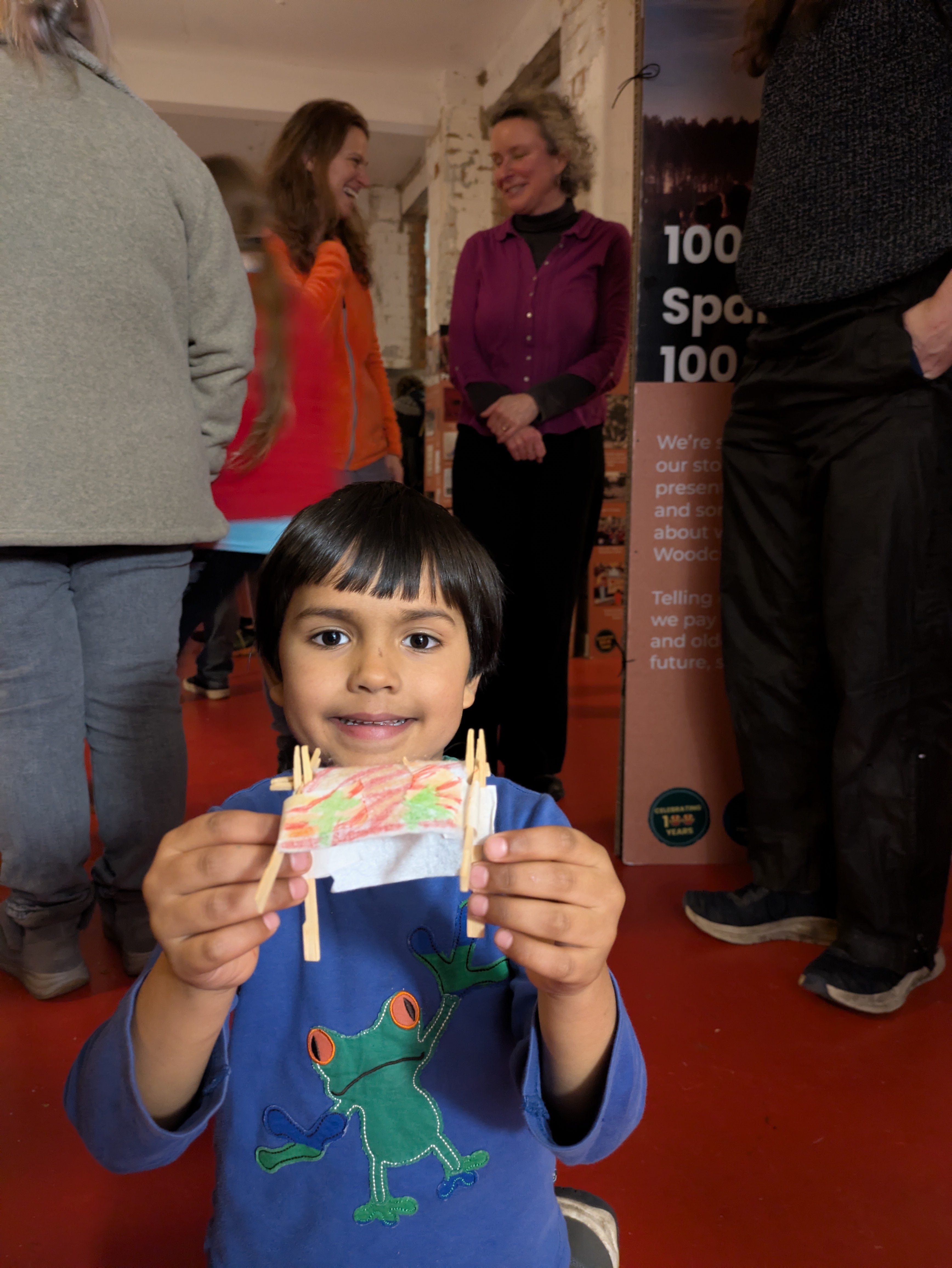
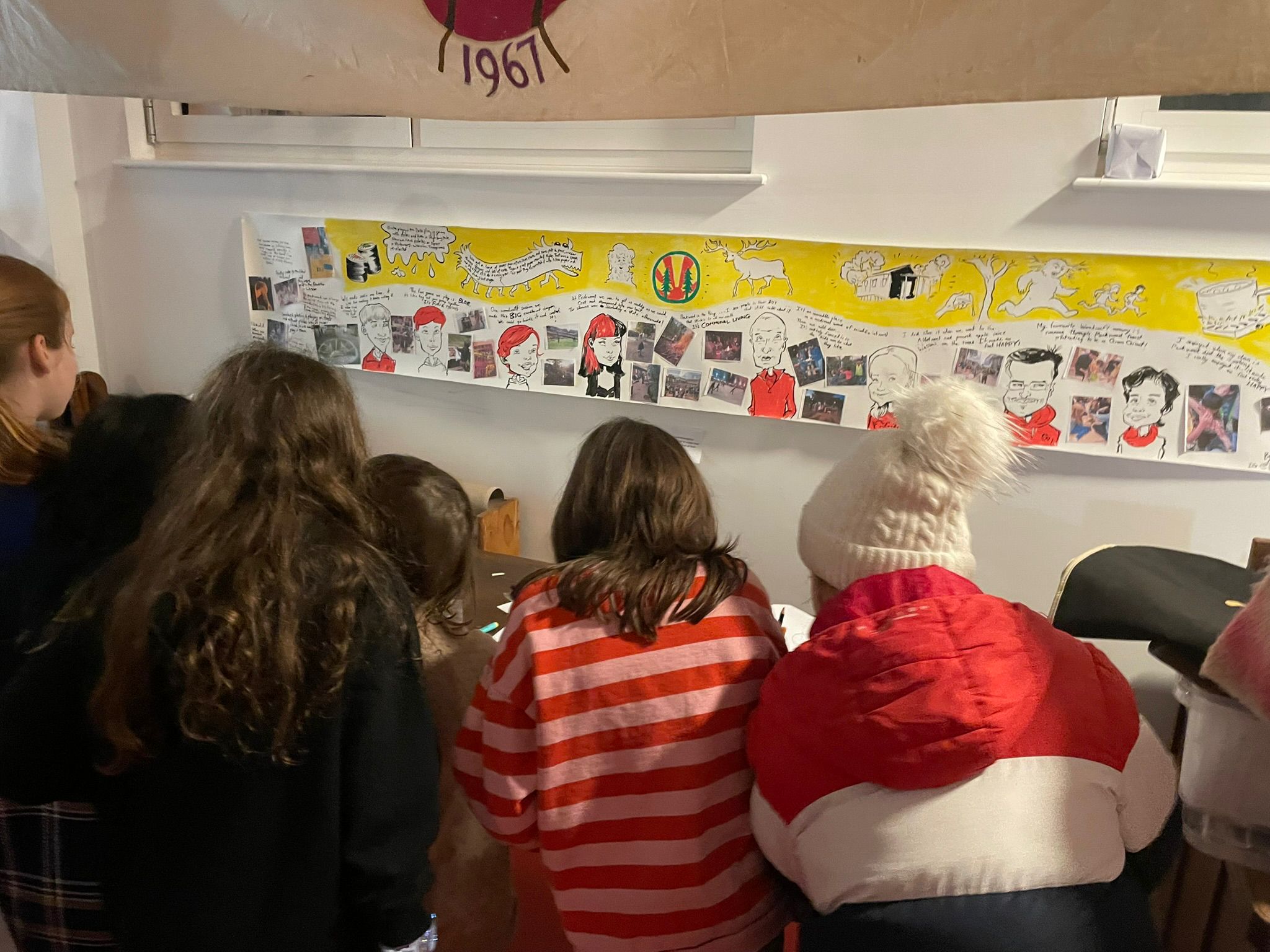
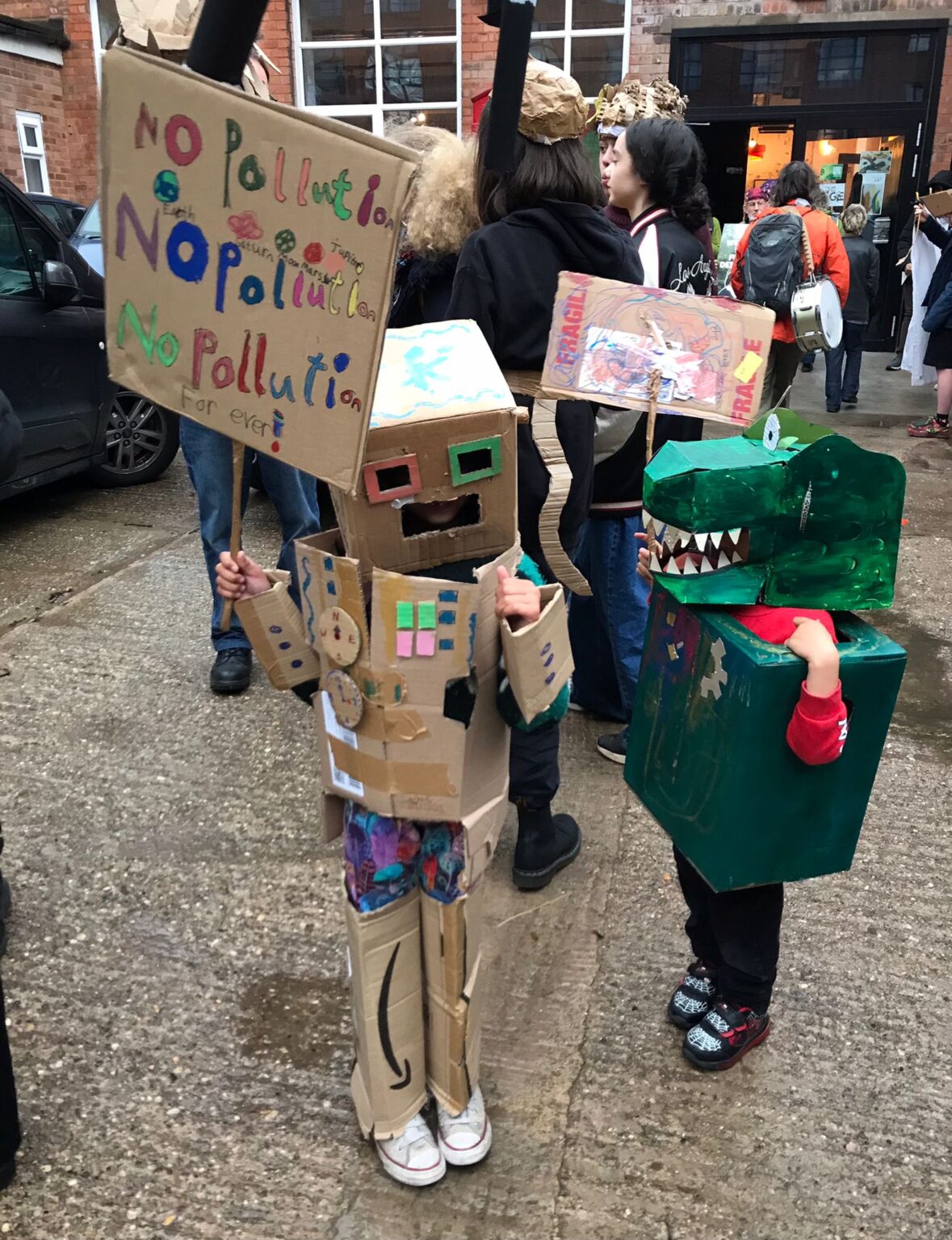
Model tent to demonstrate tent making at UCL Archives made by Joan Pover, now 103Badge making at Camp 100Woodcraft Folk donations for ‘Spain’s Children’ during the Spanish Civil WarPostcards at Glasgow exhibitionWoodcraft Tattoos at Birmingham ExhibitionMaking tents in BirminghamLinda Osborn sings Woodcraft songs at the ‘Trailblazer’ tent, Camp 100Archive Photo of Birmingham at International camp 1988Listening to interviews at London exhibitionModel Tent makingBirmingham Woodcraft history in the making – photo collage and artwork put together with Ben JonesCOP30 Cardboard Carnival at Birmingham
A range of music sung with and for South Birmingham District by Daz Anna and Mathais on Holocaust Memorial day 2022
It was 1958 when Santokh Singh left the family home in the Punjab of Northern India, to join his uncle living in Alexandra Road, Balsall Heath. A 22-year-old metal working Lathe turner, his mother’s brother had been in Birmingham since 1952 and encouraged Santokh to come to Britain.
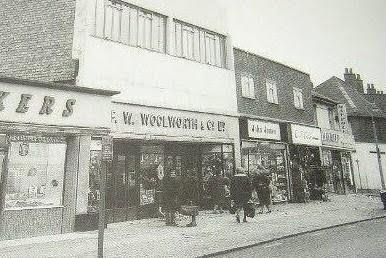
Woolworth’s shop before Uncle’s moved in, 1950s
Quest for a Better life
He began his quest for ‘a better life’ with a job as a Brake Fitter at Snow Hill station. Santokh wanted a business of his own, and began travelling to East London to buy from spice merchants, Indian food wholesalers, and from the vegetable market in Spitalfields. He travelled back to Birmingham with Asian spices, Okra (Ladies Fingers), Aubergine (Egg Plant), Black Bean, various Lentils, and large amounts of Garlic. He loaded his bicycle with exotic food and delivered directly to his customers door. This was done while he was still working at Snow Hill.
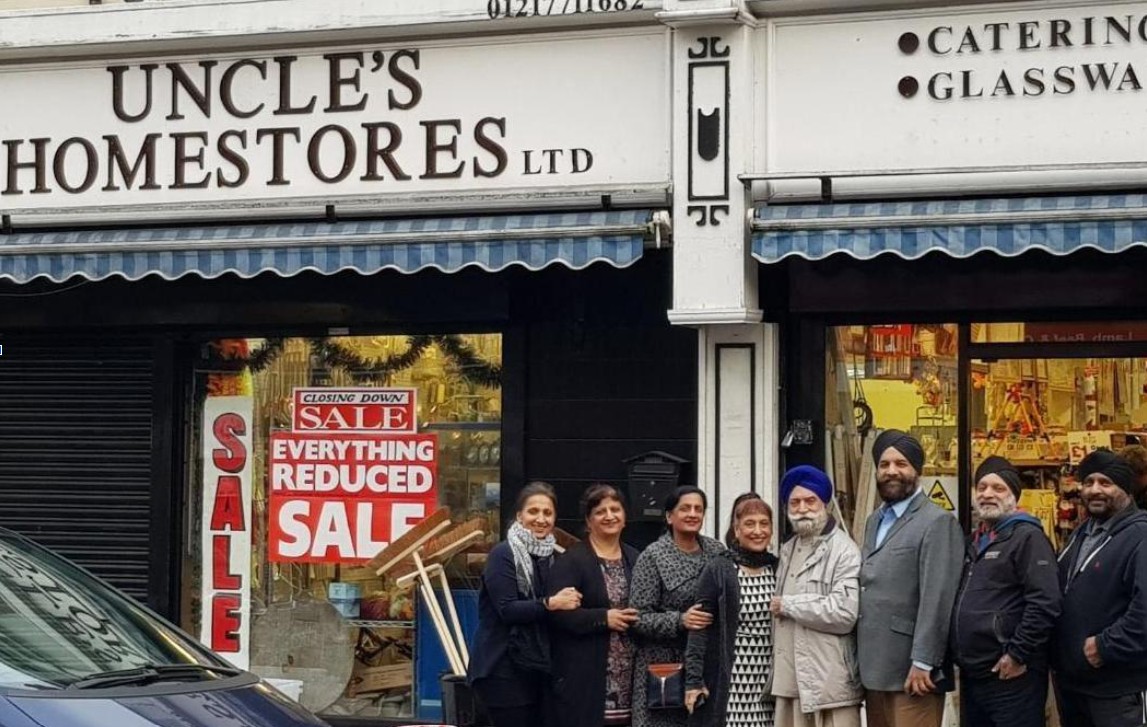
Santokh’s wife, Harbans Kaur, joined him in 1961, she is the lady in a Janet Mendelsohn‘s photograph of the shop (1968), with Daughter, Manjinder, at the entrance to Victoria Place. The family lived above the shop. Three of his brothers joined the venture for a new life in Birmingham in 1966, and it was this that led to the shop name. Customers would refer to Santokh and his brothers as ‘Uncle’. And the shop as ‘Uncles` . This reflected the friendly interrelationship the Singh` family had with their customers and beyond that, the community. And so ‘UNCLE’s’ name was established.
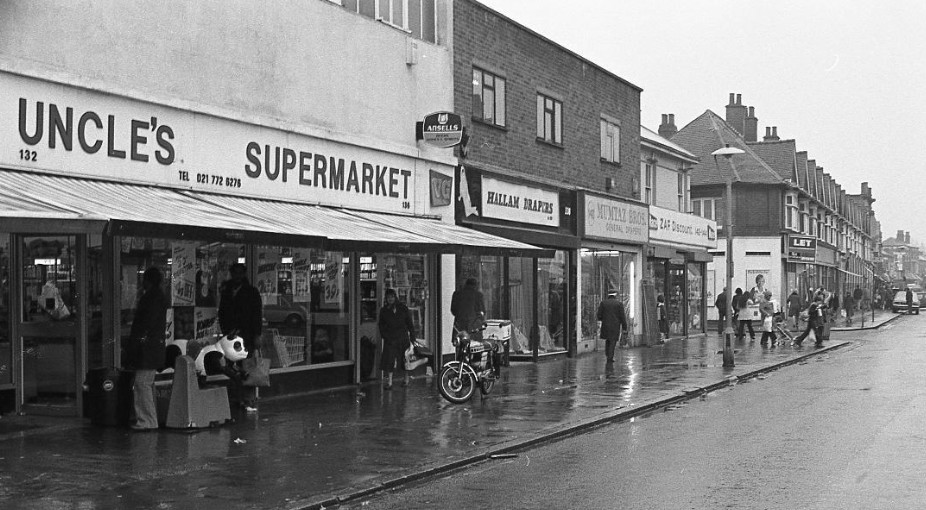
Uncle’s supermarket in the 1970s
Uncle’s Family business
Santokh and Harbans had a family of seven children. The youngest, Surinder remembers his childhood as a mix of work and play. After school they would play active roles in the shop. Pricing goods, sweeping and mopping the shop floor, restocking shelves etc. Surinder recalls playing at the back of the Highgate Road shop:
‘The layout was as back to back housing. There were bomb buildings (or ‘bomb-pecks’ we would call them) to play on. We played tag, hopscotch, marbles, throwing two pence coins against the wall. We would make play swords from thin balsa wood strips, taken from tomato crates, the handles would be taped together. We made go-karts from milk crates, planks of wood, axel and wheels from an old pram, and rope attached for steering.’
Surinder Singh
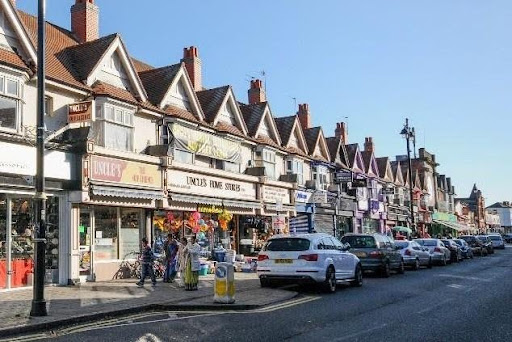
Uncle’s in 2017
Uncle’s, famous for being the original supplier of the iconic pressed-steel Birmingham Balti dishes, shut down after an impressive 60-year run when owner Surinder Singh retired. Blogpost from ‘Journey’ project, Balsall Heath Local History Society.
Left to Right in order of age (youngest first), Manjinder, Harjinder, Harbhajan, Jaswinder, Santokh , then sons (oldest first), Tervinder, Satnam, and Surinder.
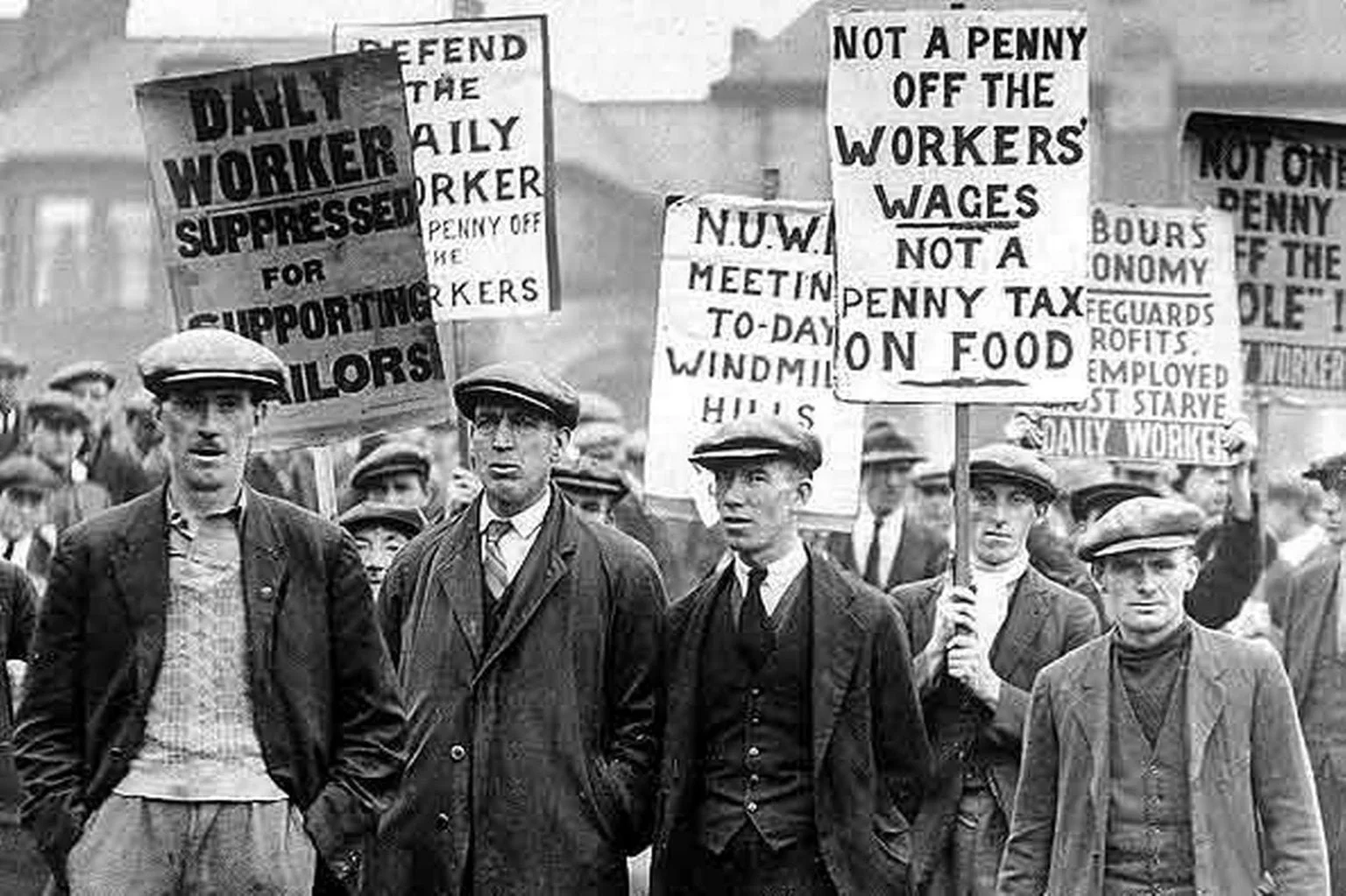
At the meeting on March 26th 2026 the talk was given by Andrew Reekes. Andrew offers a range of talks on various subjects. On this occasion, he gave a talk about The General Strike of 1926. This seemed appropriate, as it has been 100 years since it ended. The General Strike took place between May 3rd 1926 and May 12th 1926. There had been strikes pre1914, but worsening conditions in the mining industry led to further strikes in 1919 and 1921. Post WWI there was a surfeit of coal together with economic depression.
Gold Standard deepened depression
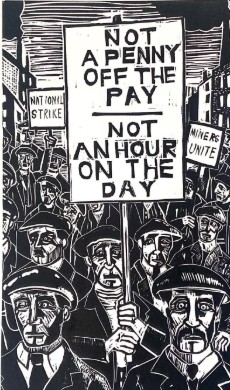
By 1925 the situation had become even worse. Churchill, as Chancellor of the Exchequer had reintroduced the Gold Standard, which caused British exports to become extremely expensive. International affairs caused further damage to the British coal market. German coal was permitted to be exported freely. In order to maintain profits, mine owners wanted to reduce miners’ wages and increase their working hours. The Miner’s Federation rejected these terms with the statement ‘Not a penny off the pay, not a minute on the day’. The prime minister, Stanley Baldwin offered a subsidy to the mining industry in order to maintain miners’ wages. He also commissioned a report by Sir Herbert Samuel, which would look into the problems in the mining industry. The report, however supported a reduction in miners’ wages and removal of the subsidy. The Miners’ Federation refused the wage reduction. Negotiations failed to reach an agreement and the TUC announced a General Strike. There was sympathy for the miners throughout the country.
The Unions Strike
Not all workers were unionised. Unionism was weak in the car industry and Herbert Austin actively rooted out shop stewards and agitators. Unionism was strong in the public sector, as Chamberlain had set up municipal organisations, which led to these workers becoming unionised. The TUC limited the strike to railwaymen, transport workers, dockers, ironworkers and steel workers. It was felt that an all-out strike would bring revolutionary elements to the fore.
From the first day, all transport stopped, but apart from that, normal life for people was not affected. Those who wanted to work were helped to work, but seven buses which tried to run on Hagley Road were stopped by strikers in Bearwood. The Midland Red planned to run 30 – 40 buses and they were protected by a convoy of cars and Birmingham Police. A railway worker was arrested after calling the police a body of traitors. Churchill fought against the strikers and declared the strike illegal. The Labour party supported the strikers, which gave the party a boost.
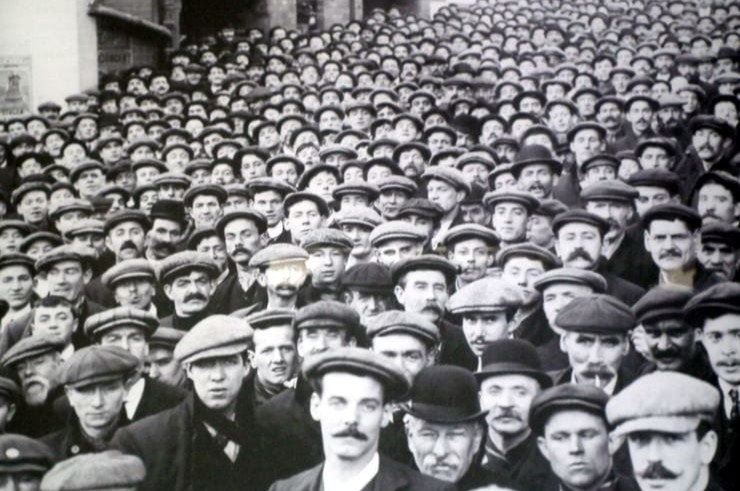
Troops on guard at omnibus station, each bus had a police escort during the General Strike of 1926. source unknown
On May 12th the TUC called off the strike, although the miners continued to strike for several months, but most could survive no longer and had to return to work. They were forced to accept lower wages and longer hours.
After the strike was called off, Birmingham employers acted vindictively towards strikers and many were sacked. The tramways department would no longer recognise the trade unions. The Trade Disputes Act of 1927 banned sympathetic strikes.
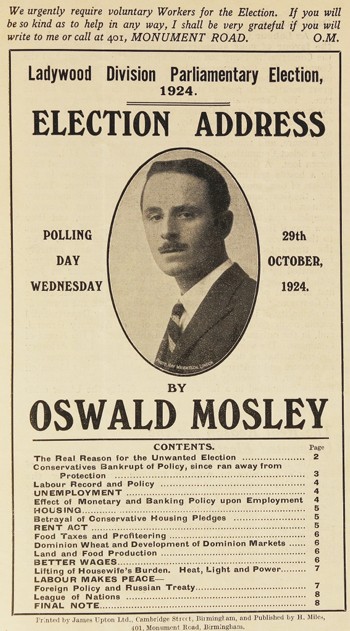
In the aftermath, the Labour Party was gaining popularity. In 1926 Oswald Mosley became a Labour MP in Smethwick after winning a by-election with a majority of 6582. His policies had brought hope to the masses. Mosley had contested Neville Chamberlain’s seat in Ladywood in 1924. It was a close run contest, but after three recounts, Chamberlain was found to have retained his seat with a majority of just 77 votes.
David Wilkes commemorates the Strike
Oswald Mosley Labour Candidate 1924
The success for the Labour Party continued in the next General Election in 1929, when six seats in Birmingham fell to Labour. This included the Birmingham West seat, which had been held by Sir Austen Chamberlain. He lost by 44 votes.
The General Strike, which had been called by the TUC was an attempt to prevent wage reductions and worsening conditions for coal miners. Despite 1.7 million workers striking, the strike was unsuccessful and had to be called off. The General Strike has not been considered a major turning point in British Industrial History and there have been no further General Strikes since.
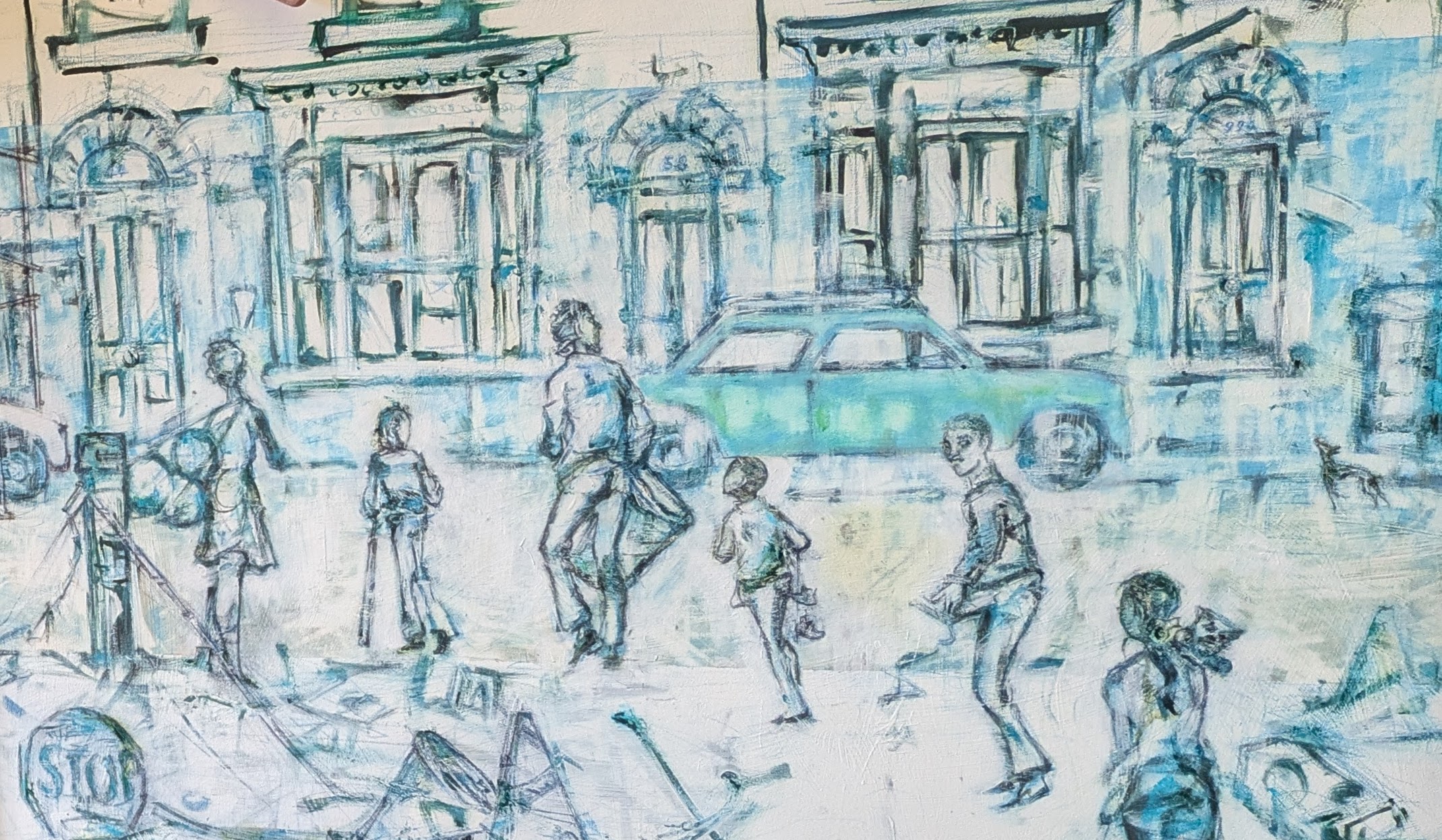
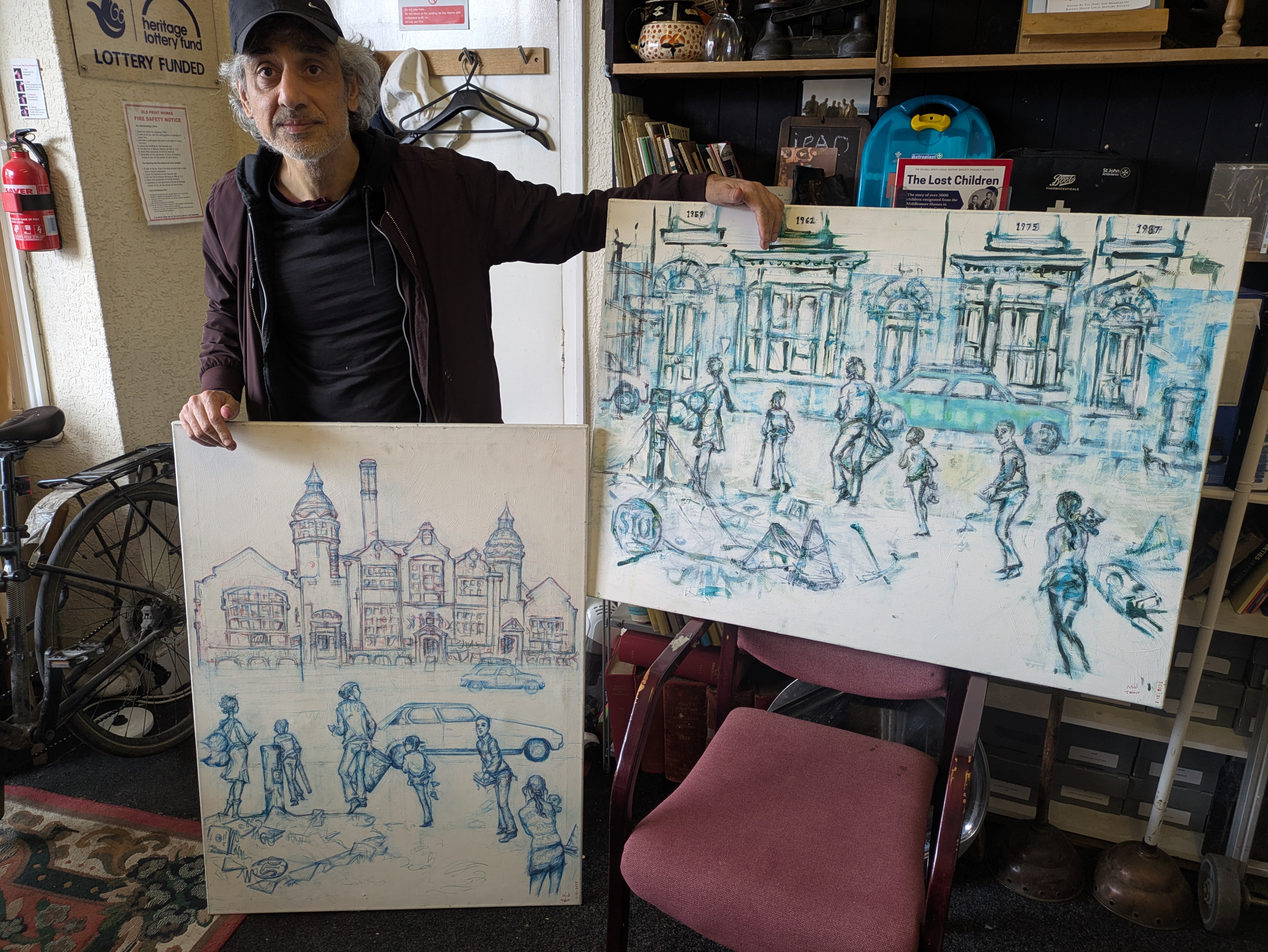
When we loaned Mick Turner photos to Local Artist Muhmood Tahir we knew we could expect something special, and last week he came back into the office to deliver some fabulous artwork!
Muhmood has worked in drawing, painting and sculpture for most of his life – see Birmingham Open Studios. I had the opportunity to talk to Muhmood about his artwork, and this particular special artwork for Balsall Heath. We started to talk about why Balsall Heath was so important to him:
‘When I see that sign, I’m home. Yeah, that’s my hometown.’
Muhmood Tahir
‘I’ve painted what I feel about the place. They both say something about how I feel about Balsall Heath.’
First he talked about the painting with the iconic Moseley Road Baths:
‘The building I’m so very familiar with, you feel as if it’s always been there. All kinds of things [are in the foreground]. Things that have been thrown away, but people are using them. All kinds of things, records, stop sign…all things from the past, and even the car is old. They’re gathering things, the kids of Balsall Heath.’
He talked about his approach to painting:
‘That’s the picture I felt. And that’s when I was doing that and I was feeling that I was trying to make the figures come to life with the expression. Each figure has a movement and I keep that going all through the picture, to keep that balance. These colours, you know, they’re sharp but they lightly done so like a distance, and moving. They’re not sharp but they they’re there.’
‘They’re drawings. They’re done with a pen. You look carefully. Pens on canvas, it can be very sensitive. A touch of paint, with acrylics, on top of it, just to give that illusion. It just needs movement of line, so I kept it, in a drawing sense, you know, not a painting. So, the moment I start adding paint, the whole volume would change.’
The second painting has elements of houses Muhmood has lived in. I asked him about the dates:
‘These are important dates – this is the time I was at school. I didn’t go too far ahead [with the dates]’
‘It’s just a street I remember, as growing up because don’t forget, with me, these streets have a personal feeling. I like the composition of people coming through. It may be something that moves you, simply beautiful things right? In the chaos it has a beauty around it. It may only be a small thing, but it moves you.’
‘I’ve become more refrained and stayed in my studio at home painting, because that keeps me alive as a human being.’
Muhmood Tahir
We asked Muhmood where he would like his paintings to be: ‘Somewhere people can see it, somewhere they can relate to it.’ The obvious place for artwork of this quality and subject matter we feel is our Balsall Heath Library, now closed for refurbishment. We plan to talk to the Library Services to see what is possible on it’s reopening next year.
On Saturday 11th April 11 to 3pm we’ll be hosting a special free event at ‘The Mix Cafe’, Old Print Works, to launch The Heathan online! Food is provided by Change Kitchen and we will be part of Second Saturday activities happening all day there.
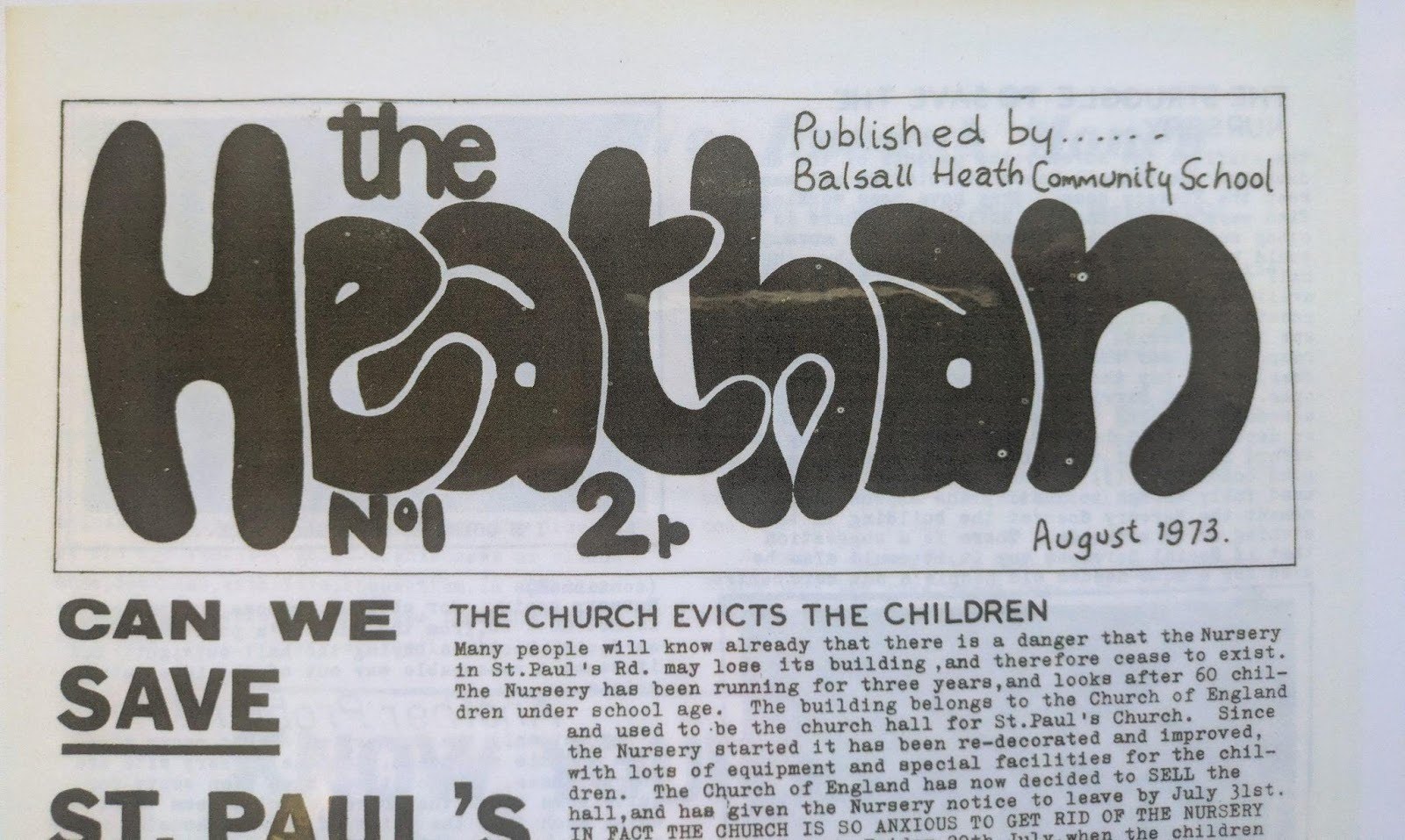
The first Heathan Zine
Saturday marks a new chapter for one of Birmingham’s most loved zines. Dedicated to providing authentic, community-led journalism, the site returns as the definitive online source for news, culture, and local voices within Balsall Heath. The Heathan will put the focus back where it belongs: on the Heath and the Heathans.
Muhmood Tahir has also drawn us two beautiful paintings we’ll be unveiling as part of the day – about Balsall Heath and inspired by Mick Turner’s photography, the man responsible for much of the photography in early Heathans.
And that’s where we’re starting too – come along, have your say, have your photo taken to become a part of it! We’ll also have copies of old Heathans to flick through and a quick demo of the iconic ‘Cow Gum’ method we used to use for ‘paste up’ before digital design was a thing. Cow gum itself was, of course, highly flammable, gave off strong fumes and is no longer available.
By the Community, For the Community
‘Balsall Heath is like nowhere else’
Anon
Balsall Heath needs a voice more than ever in changing times. As development plans are reviewed residents want to be kept informed on council decisions and have a means to have their voices heard.
Led by an Alliance of Balsall Heath organisations and ‘Believe in Balsall Heath’, We’ll celebrate the rich history of Balsall Heath and its diverse communities. We’ll put the spotlight on local legends, artists, community heroes and all people in Balsall Heath. We’ll develop our own curated guide to the best independent shops and services in the area.
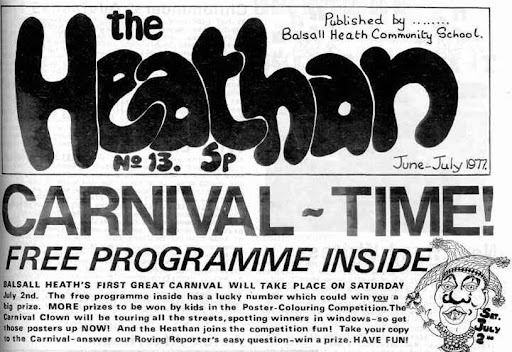
We’re also listening to what you want. Balsall Heath misses it’s Carnival – we’re working with local partners to bring a Community Festival from 3rd July to 13th July – watch this space for more details!
Carnival Heathan
Bridging the Gap
The relaunch comes at a vital time for Balsall Heath. The Heathan will link long-standing residents and newcomers – everyone is welcome here, sharing belonging. The Heathan will feature dedicated community contributions, inviting Heathans to submit their own stories, photos, and event listings.
Feeding the world
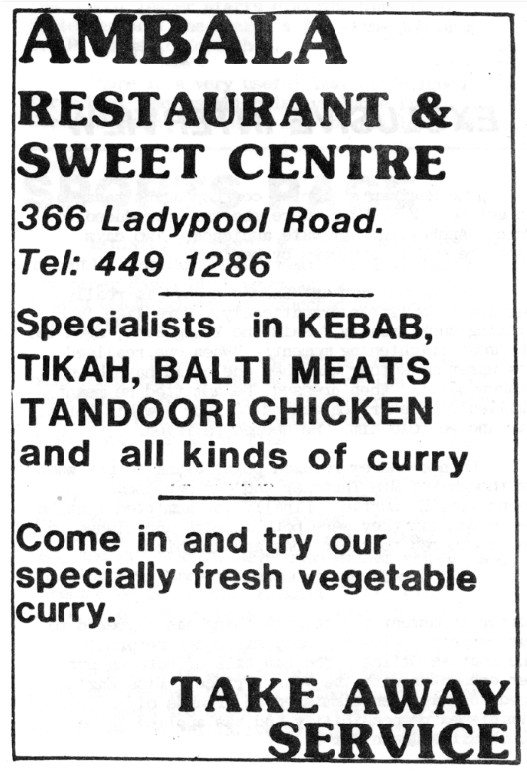
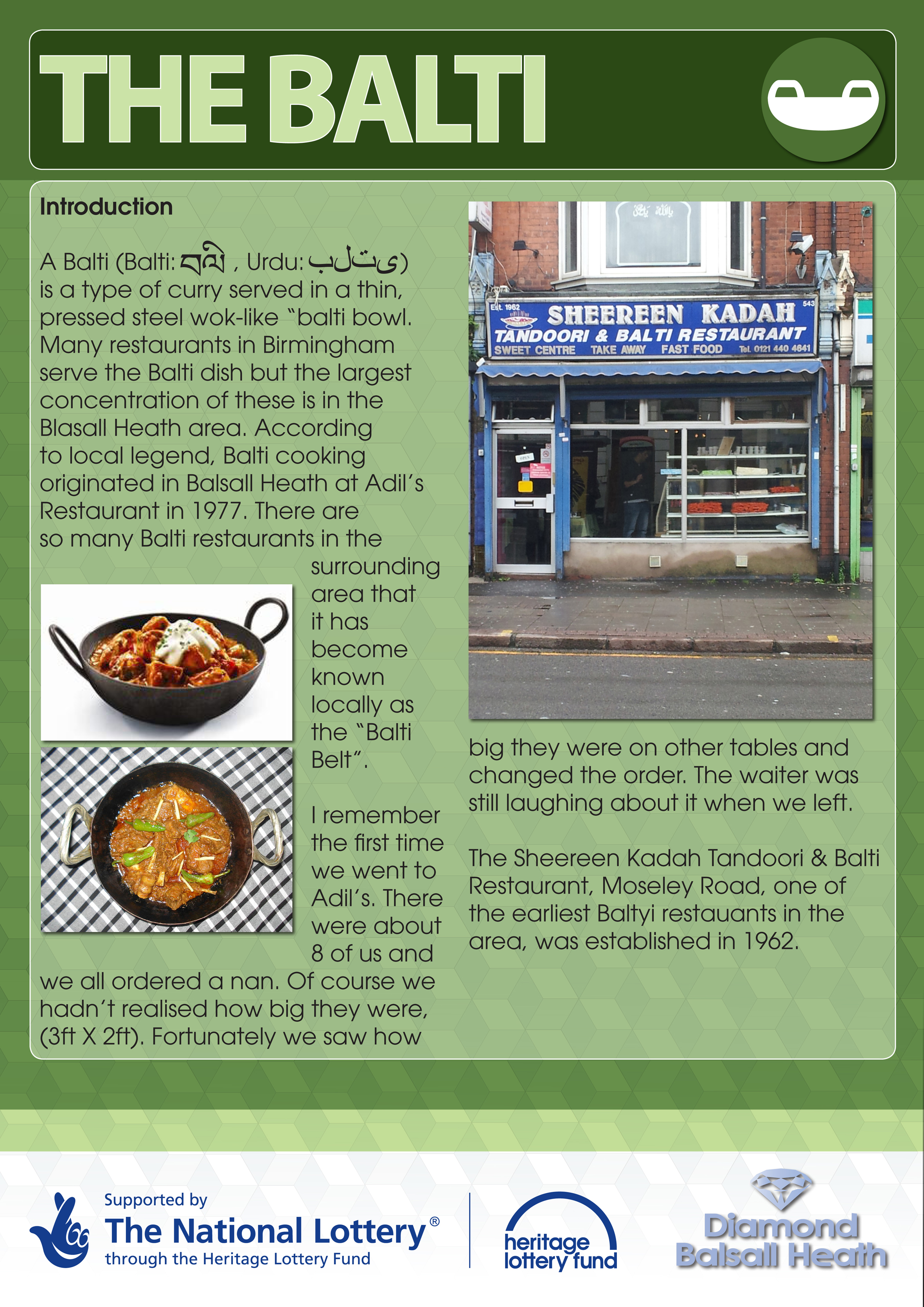
The Heathan can lay claim to the first known written use of the term ‘Balti’. A classic ‘Glocal’ fusion dish, made to please people from all communities in Sparkbrook and Balsall Heath in the 1970s, it has since become a national dish and many are calling for UNESCO protected status as an internationally significant cultural dish.
The Heathan is for Balsall Heath and Balsall Heathans. We want to be seen, heard and connected.’
Marcus Belben, co-editor
First known use of ‘Balti’ in print, The Heathan 1981
About The Heathan
Originally established to capture the grassroots energy of the district, The Heathan was formerly printed and delivered to everyone in Balsall heath. It will remain independent but will now be an online news publication. It operates on the belief that local journalism is the bedrock of a strong community.
The online Balsall Heathan was originally created by Dr. Anita Halliday, former CEO of St Pauls Trust, initially named ‘Neighbourhood News Online’. The original neighbourhood magazine ‘The Balsall Heathan’ was published monthly and circulated to every home in Balsall Heath.
Since Anita’s death it is currently maintained on a voluntary basis by local people and organisations.
‘…from sparsely populated heathland in the 18th century, to the ‘genteel neighbourhood’ of the 1840s, the populous quarter of 1891, to the busy and crowded suburb of the 1920s and 30s to Balsall Heath present day, there is no place like it.’
Val Hart Local Historian
The Heathan in modern times
2026 to today!
We’ve been working with Balsall Heath Alliance and Believe in Balsall Heath and a team of local Heathans to share news and represent our stories our way! Building on the work of the Neighbourhood News Team and Balsall Heathans we’re relaunching the Heathan online!
March 2020 to March 2022
Neighbourhood News Online responded to the Covid-19 pandemic and lockdown by creation of an information page to support local residents and the Balsall Heath Mutual Aid group. This page was used to signpost people to essential services and support and also gave clear, relevant information from trusted sources, including the NHS, Public Health England and Birmingham City Council.
October 2019 – March 2020
A commission from Ageing Better in Sparkbrook involved Rachel Gillies and Elisabeth Charis worked with a range of local community organisations to support them in promoting their activities for the elders they serve. 10 organisations received tailored support with developing their promotional work. This included developing websites, a series of short films and support with using Social Media through a range of Social Media surgeries.
April – July 2019
The Active Wellbeing Society supported a series of community media workshops with residents across Balsall Heath and Sparkbrook. Their interest in storytelling to connect people led to the development of ‘Humans of the Heath’ – a series of profiles of local people.
October 2018 – April 2019 Neighbourhood News Online was part of a commission from Balsall Heath Forum as part of a Local Innovation Fund grant, which came to an end in April 2019. The website was developed into a community news, directory and events page for Balsall Heath and Sparkbrook by freelancers, Rachel Gillies, Elisabeth Charis and Hayley Frances. We have a passion for this area and wanted to use our skills and experience living and working here to connect residents and organisations together. This grant also funded the production of two print newsletters, delivered to residents and community venues.
Heathan printed and distributed across Balsall Heath from 1973 to 2018
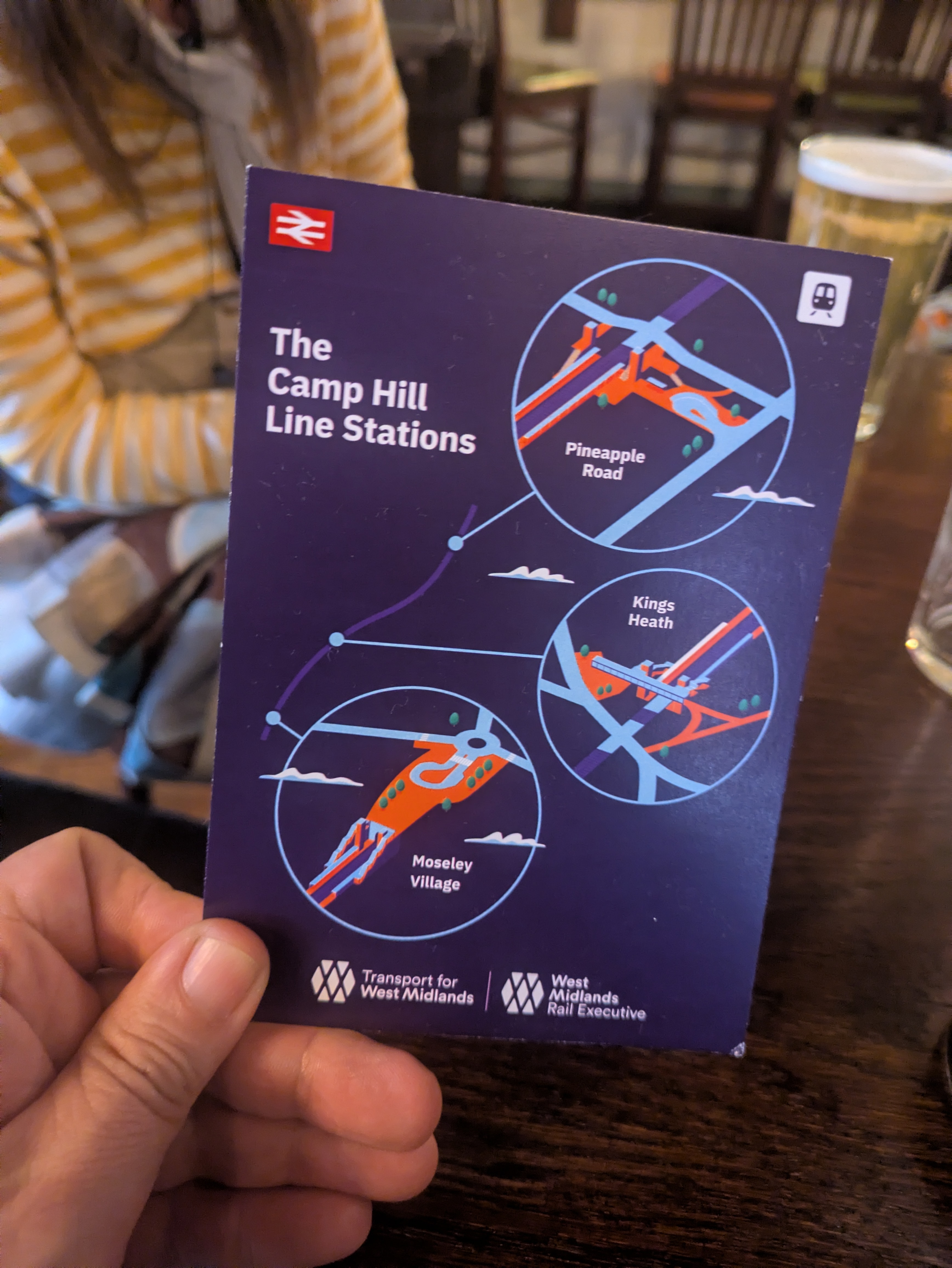
It’s an exciting time for Birmingham commuters! We are finally seeing the re-opening of the line from Kings Norton to New Street, complete with three brand new stations. This investment in our local infrastructure has been much anticipated but for those of us in Balsall Heath, the news comes with disappointment.
Souvenir Postcard celebrating the re-opening of Moseley, Kings Heath and Pineapple stations
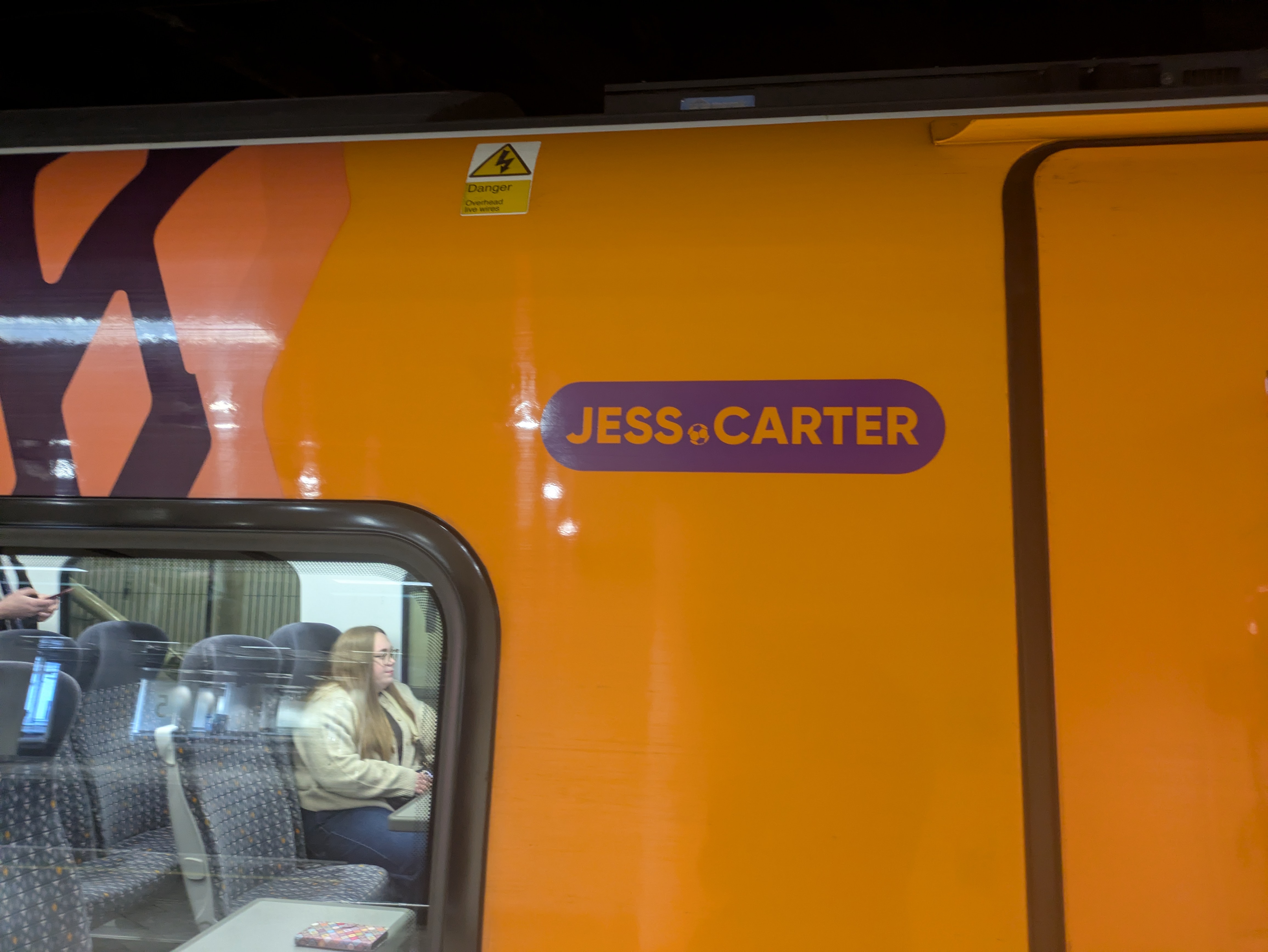
Shock move as Jess Carter returns to Birmingham City assisting Moseley Commuters
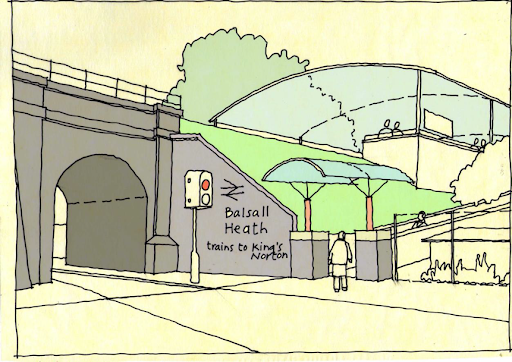
Despite being a key feature of the 2015 Neighbourhood Plan, the re-opening of a station in Balsall Heath was not approved. It feels like a missed opportunity for Balsall Heathans.
A Tale of Two Stations
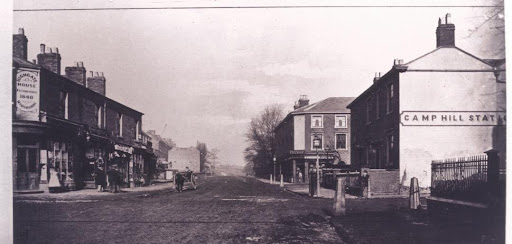
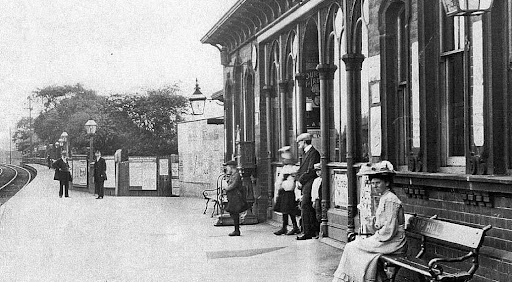
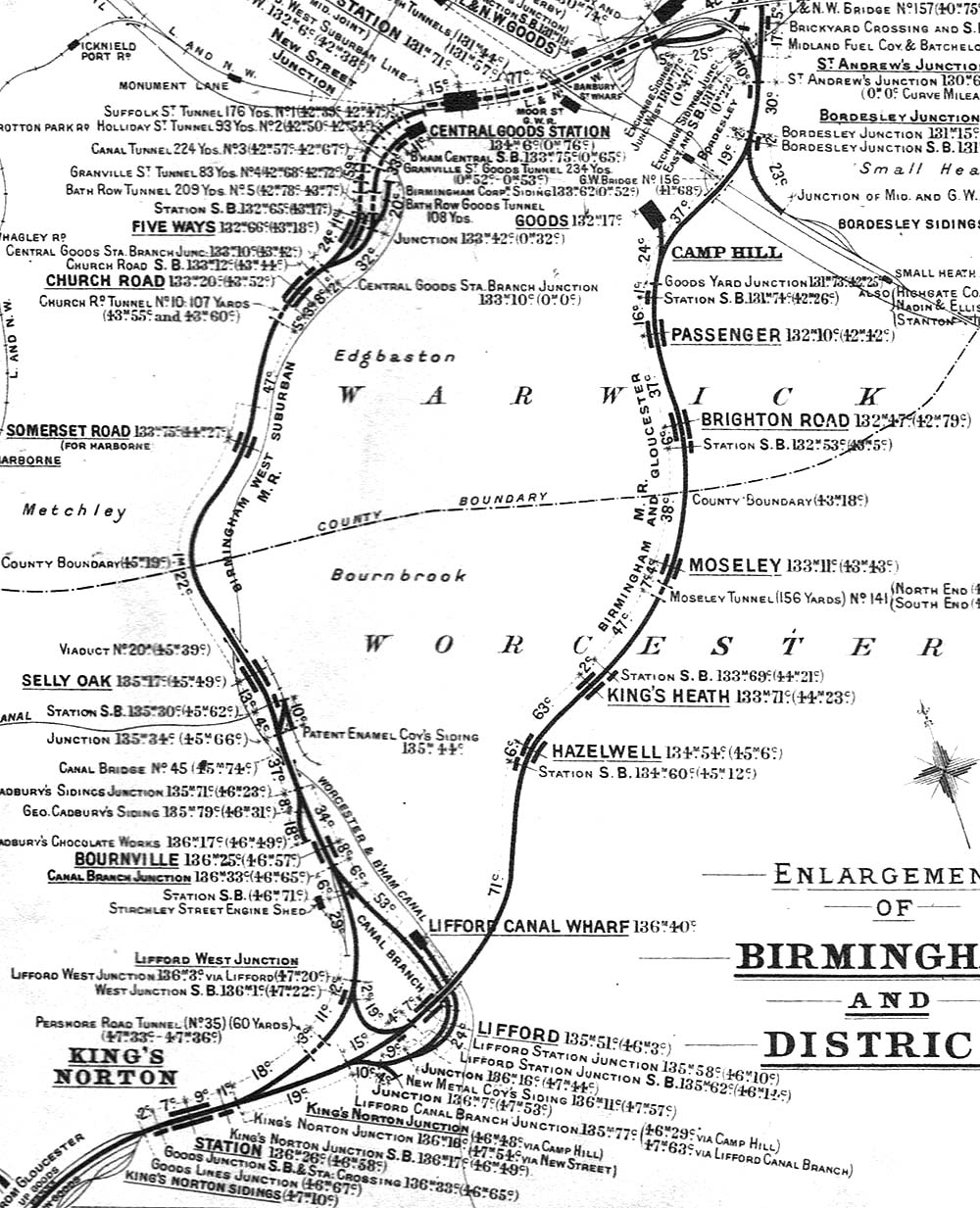
Camp Hill Station stood at the junction of Moseley Road and Highgate Road. Both Camp Hill station opened in 1840 when the railway was first laid through Balsall Heath. The Camp Hill site is now occupied by Logmoor, and the original stationmaster’s house can still be seen just by the bridge over the road in the picture below.
View of the station in 1905
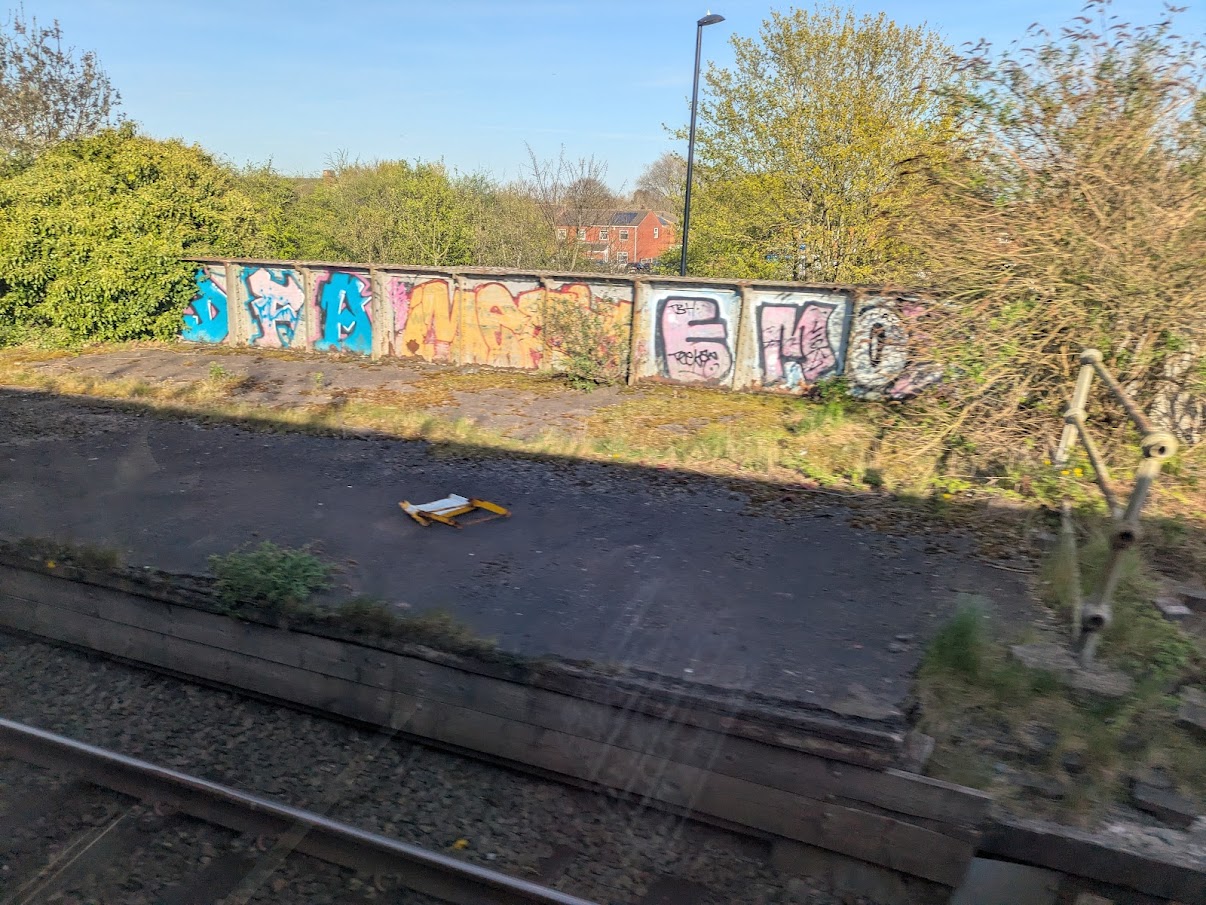
Brighton Road station was the second station on the line to Gloucester from Birmingham and was opened in 1875 by the Midland Railway. Its close proximity to the city centre meant it was always vulnerable to competition first from the trams which had a terminus nearby and later the No. 50 bus.
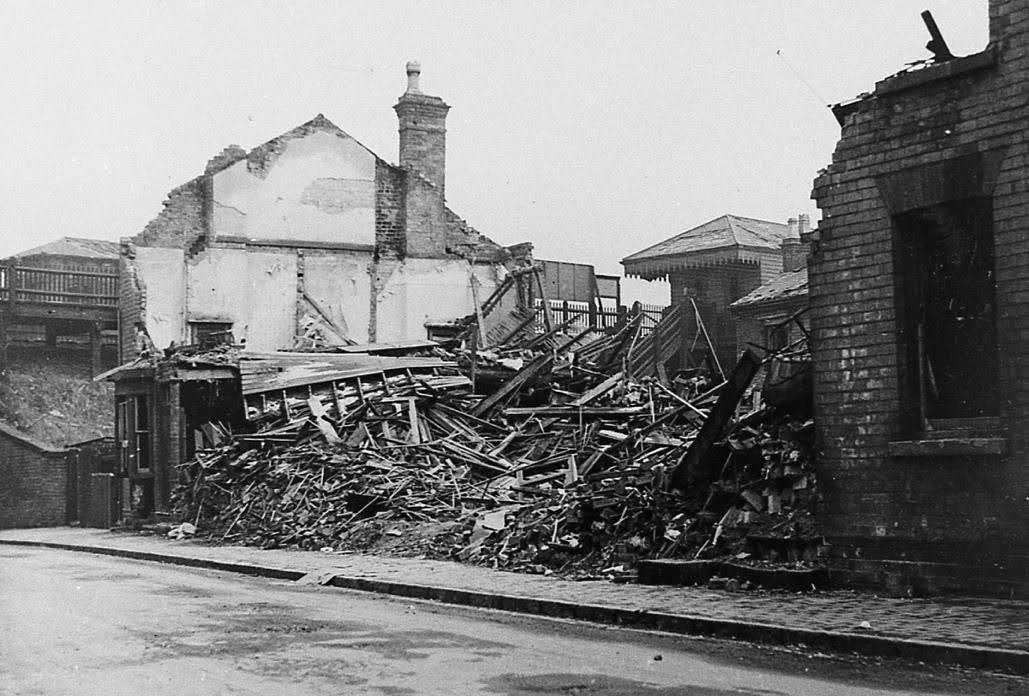
John Bagwell was appointed station master in 1876 and he held this position until the station was placed under the supervision of the Camp Hill station master on 15 July 1907. The station was hit by bombs in 1941, closed and never reopened.
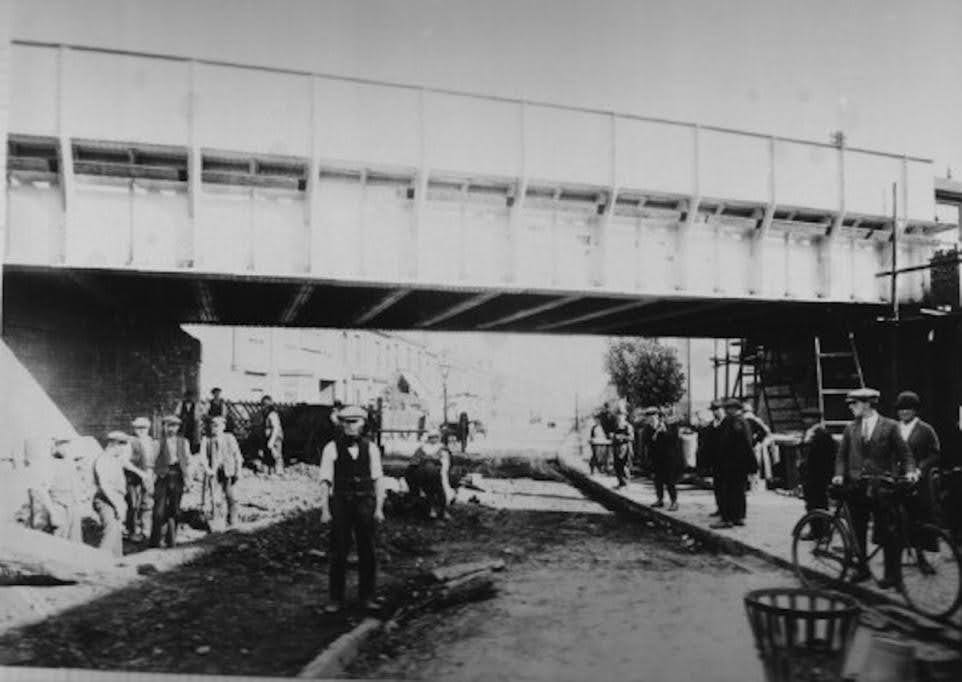
The bridge across Brighton Road was enlarged in 1923 under a scheme to support unemployed workers.
Brighton Road station was smashed to pieces by bombing in 1941 and never
re-opened.
View from the train of what remains of Brighton Road Station on the re-opening of Camp Hill Line 2026Part of Midland Railway Distance Diagram Sheet 47 dated 1913 showing the two routes south from New Street to Kings Norton. Original Print supplied by Malcolm Peakman https://www.warwickshirerailways.com/lms/mr_generic1430b.htmThe 2015 plan for Balsall Heath Station, drawn by Joe Holyoak
As part of the upcoming Balsall Heath Community Festival (July 3rd – 13th), we’ve created a new map with help from Chris Martin from Footsteps Faiths for a Low CarbonFuture.
Today, we count an existing 62 faith centres within Balsall Heath – that’s one faith centre per 600 Heathans. To celebrate this heritage, we’re planning a guided Faith Walk to explore these landmarks and discuss the profound impact they’ve had on our community over the decades. Watch this space for dates and details of our Community Festival!
Lost Landmarks
Our map celebrates the present and marks sites that have vanished or been transformed:
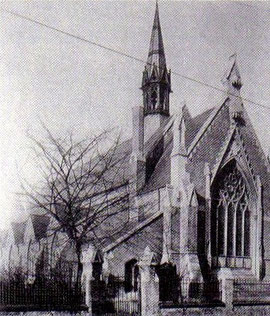
Opened in 1853, once popular and fashionable, it sat over 1,000 people and extended in 1856. After over a century of service, it closed in 1977. The congregation merged into the then new Church Centre at Edward Rd/Mary St.
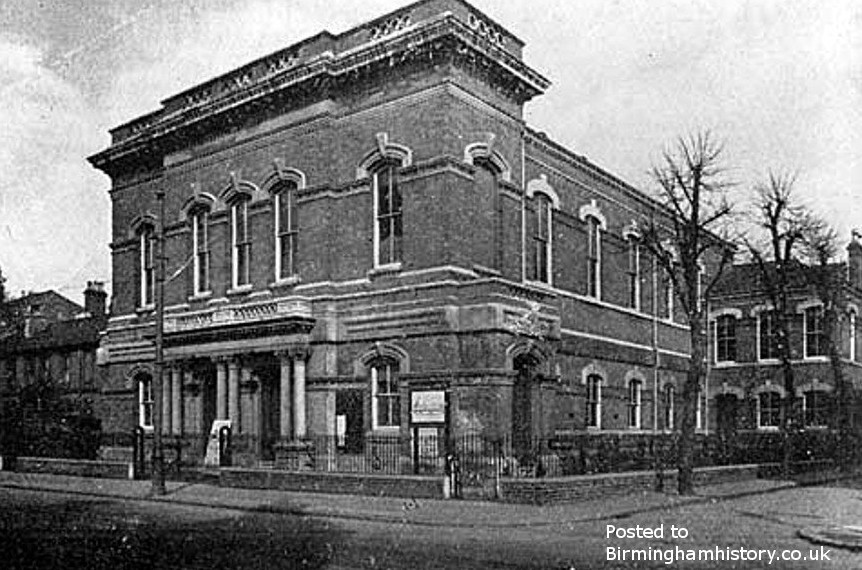
The Church of Christ (Moseley Rd)
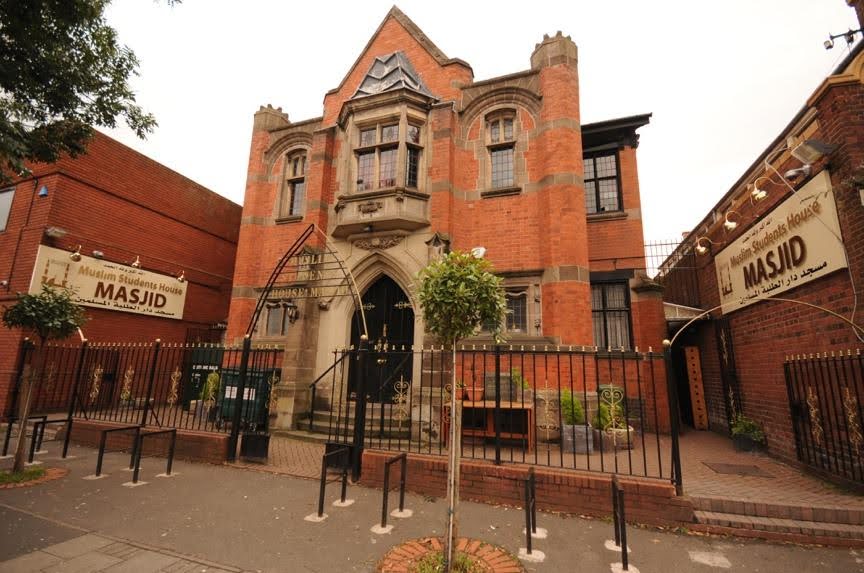
Opened in 1912, this congregation also moved to the Edward Rd Church Centre. Today, the original building serves a new purpose as a Muslim Student House.
St Thomas in the Moors (Lincoln St)
Founded in 1883 on land donated by William Sands Cox, this church built in memory of his father Edward Towsend Cox owner of Long Moors Farm which they owned since 1608. The church was demolished in the Balsall Heath Clearances of the 1960s.
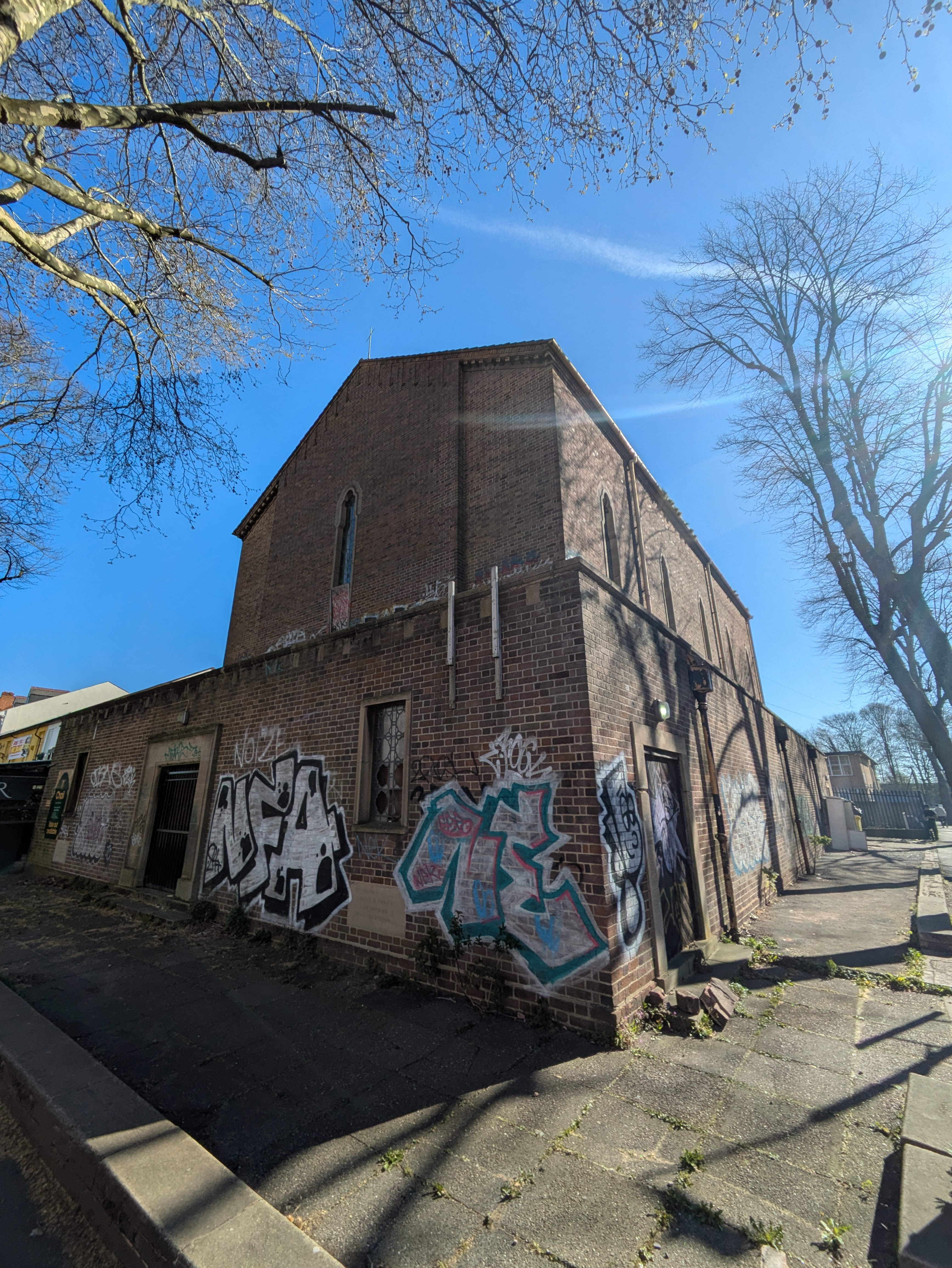
This church was an off-shoot of the Cherry Street chapel in Birmingham founded in 1782 by John Wesley. The church buildings were destroyed during bombing in 1940. A new church was built on the same site, the foundation stone being laid in 1949, now closed.
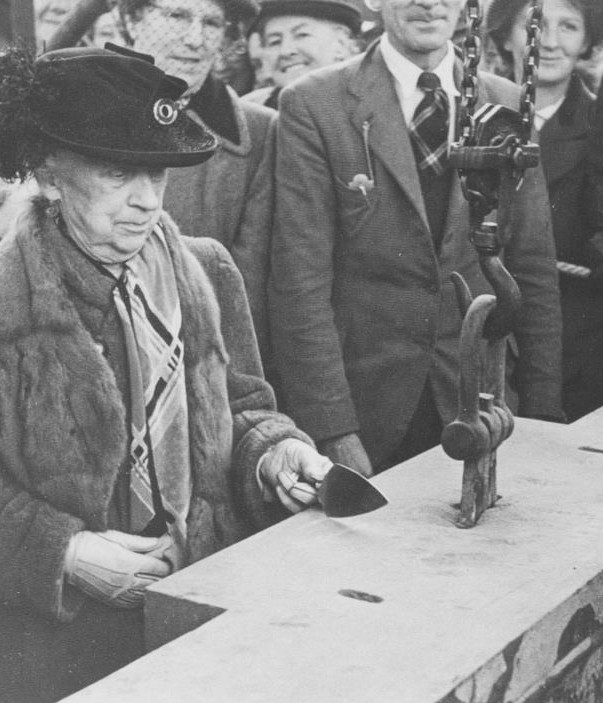
The foundation stone for the rebuilt Methodist Church was laid in 1949 by Mrs Minnie Moon, one of the original church members, aged 91. The original church was bombed in the Second World War.
Methodist Chapel (Vincent St)
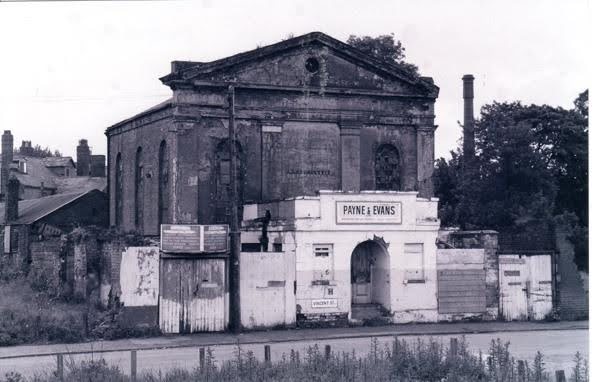
This was the first public building in the area, erected in 1839. It stood for over 130 years before being demolished in the 1970s.
Wenman Street Chapel
Likely a Brethren meeting house, this chapel was another casualty of the clearances that reshaped Balsall Heath.
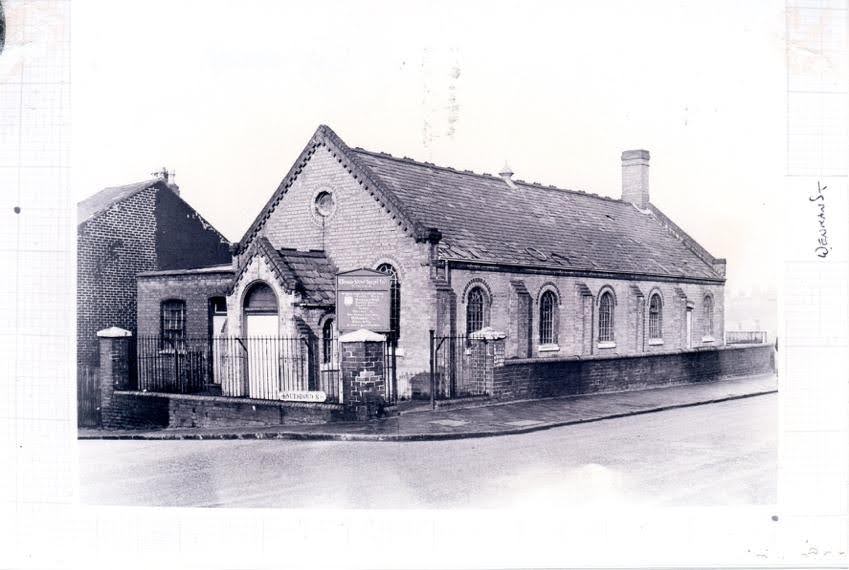
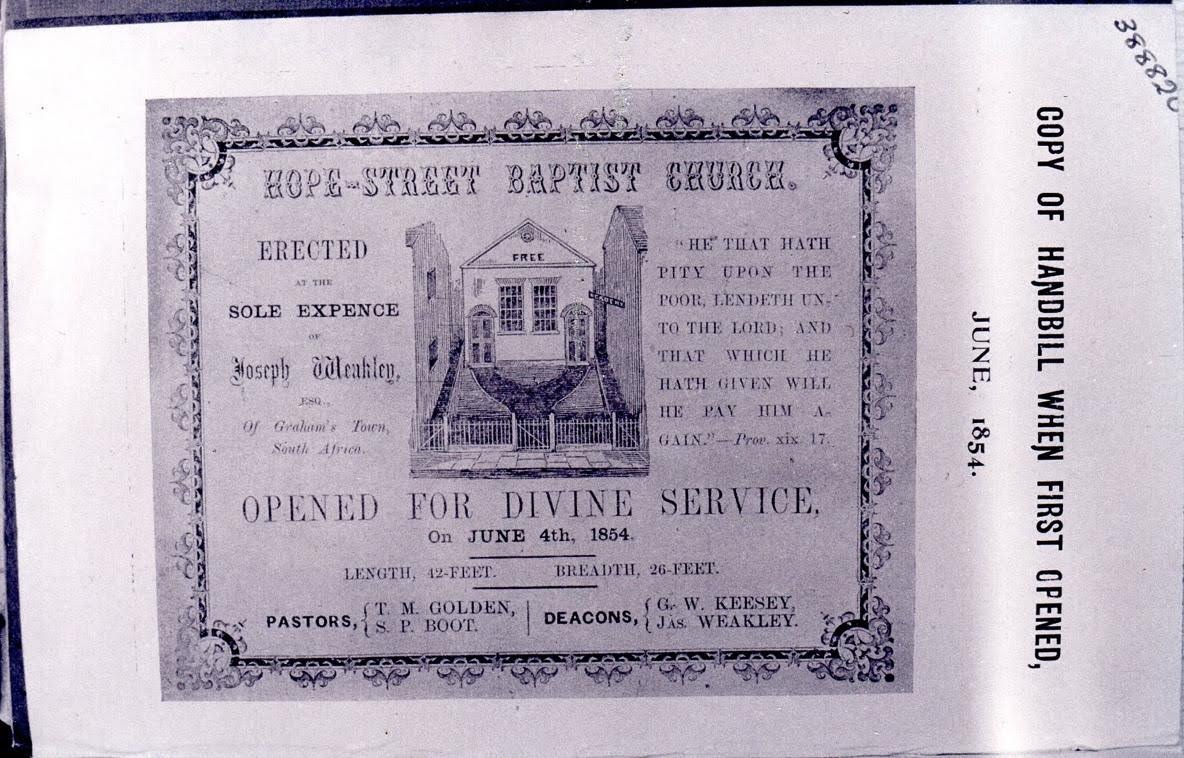
This Baptist chapel was built in 1854 ‘at the sole expence of Joseph Weakley of Graham’s Town, South Africa’. Joseph came ‘to superintend the shipping of guns’. James Weakley described his occupation as ‘colonial agent’ or ‘shipping agent’. James became a Deacon, and Rev. Peter Stanford of Hope Street Chapel, formerly a slave in America, was possibly the first black minister in the UK – see more in October 2020 edition of the Gazette.
Congregational Church Moseley Rd
Stood on corner of Runcorn Rd & Moseley Rd, opened 1862 with seating for over 1000 and demolished in the 1970s. The Sunday School building is still there and now used by Clifton Road Mosque as part of their educational premises.
Save the Date!
The Balsall Heath Community Festival runs from July 3rd to July 13th. We’ll be hosting events across the entire area, with more details on coming soon. Whether you are a person of faith or a lover of local history, we invite you to walk with us and discover the hidden stories of Balsall Heath.
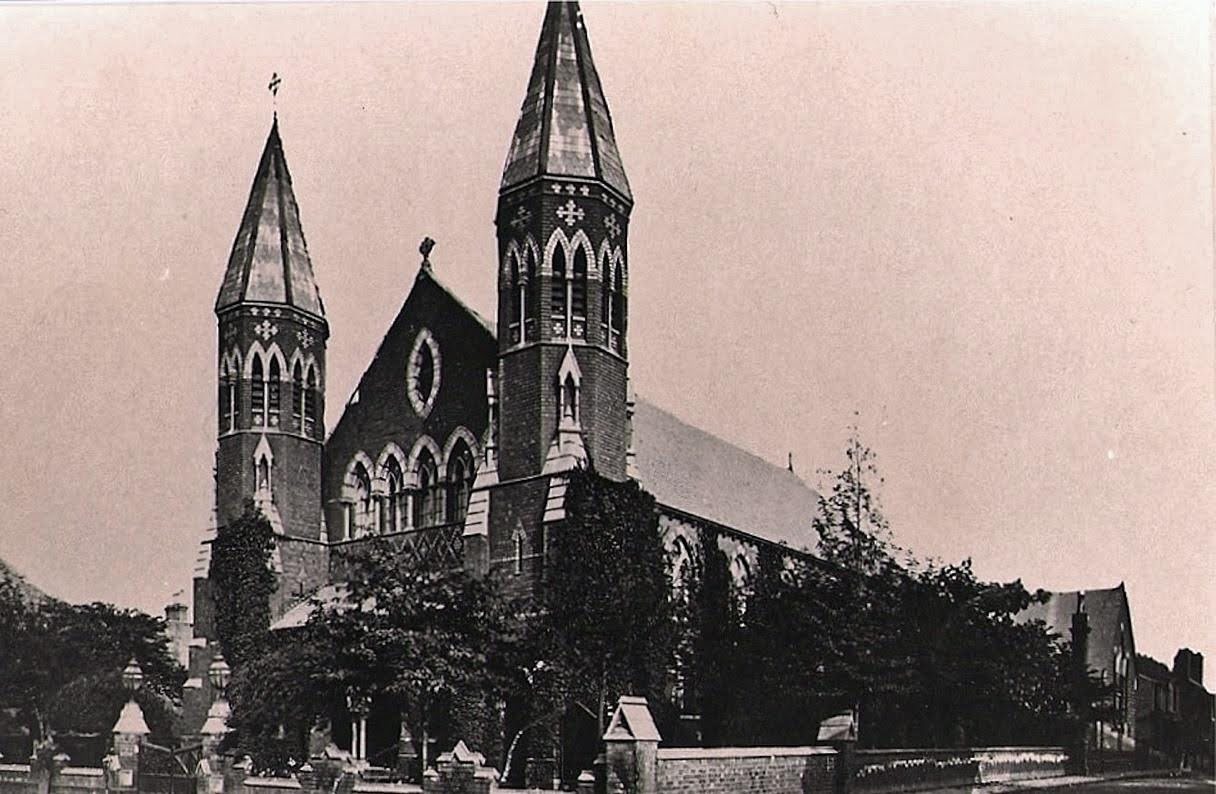
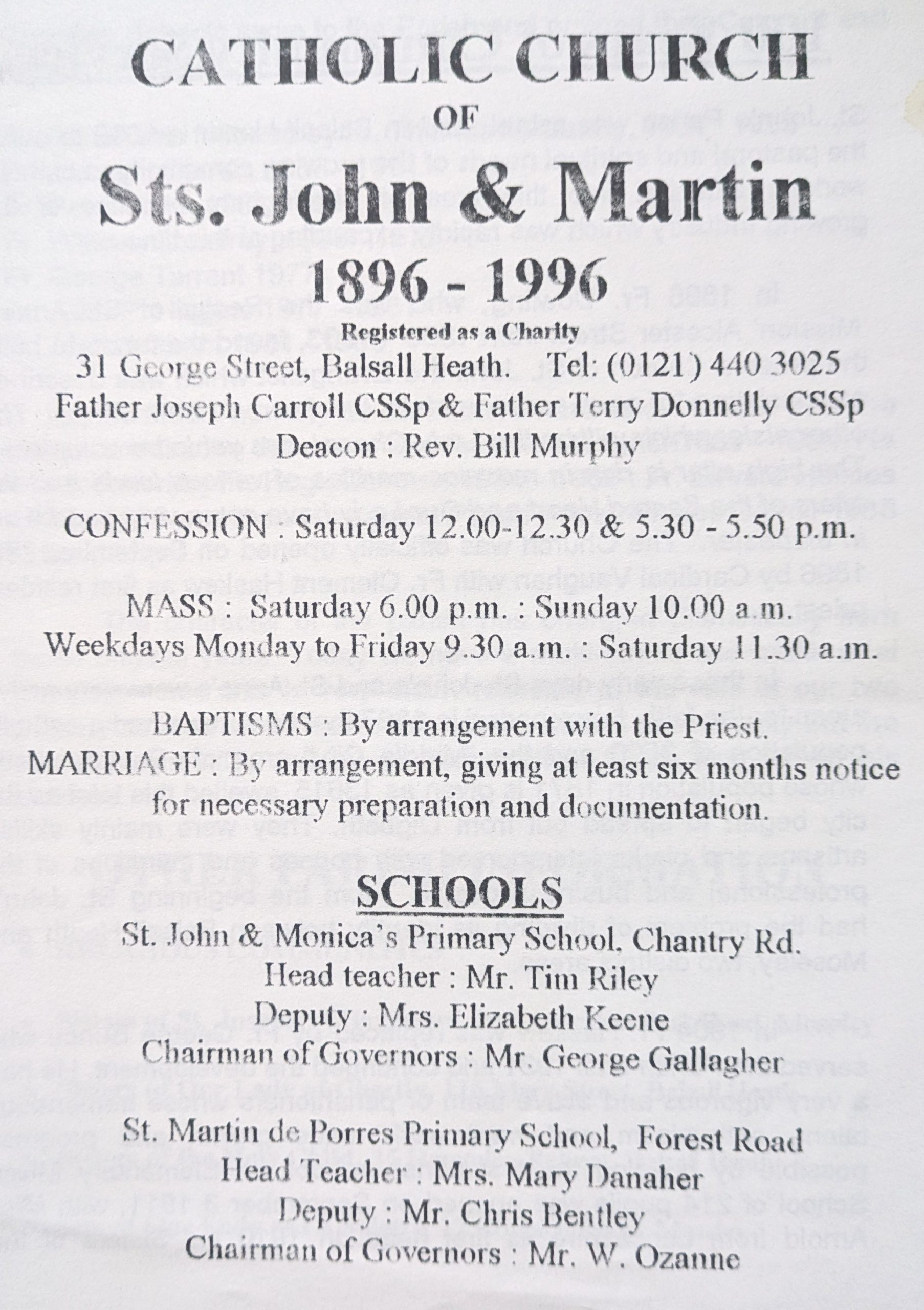
On St.Patrick’s day we ran a successful sharing event at St. John and St. Martin Catholic Church in Balsall Heath. It was a day dedicated to celebrating our community’s rich heritage, connecting people of all ages, and preserving the precious stories that shape our Community.
A Feast for the Senses (and the Soul)
The Church provided delicious asparagus soup, an assortment of snacks, and plenty of tea and coffee. The church community incredibly generously provided these refreshments, creating a warm and welcoming atmosphere.
Journeying Through Time: Images and Interviews
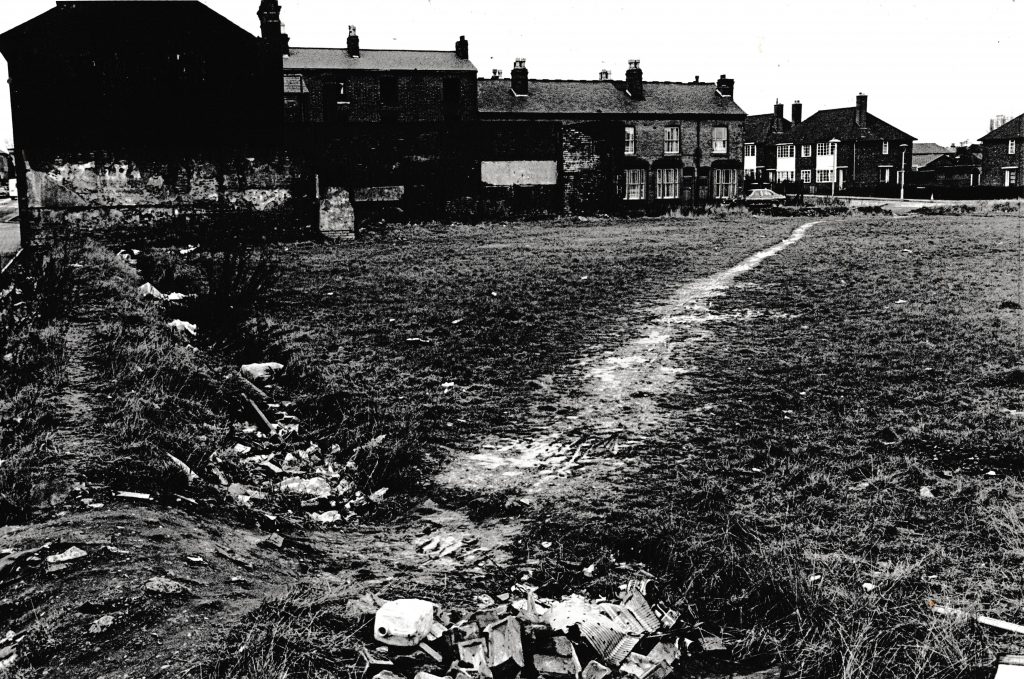
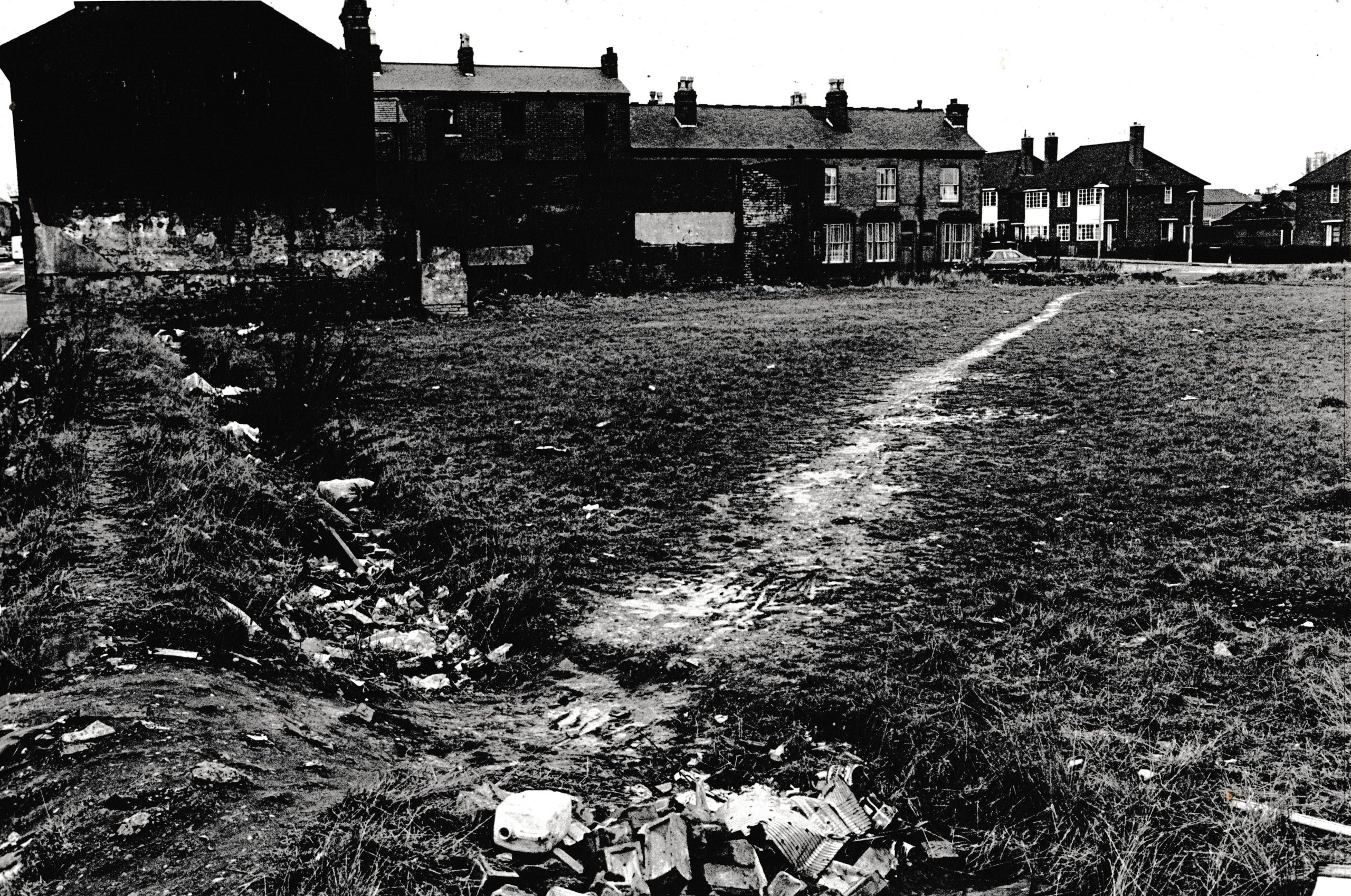
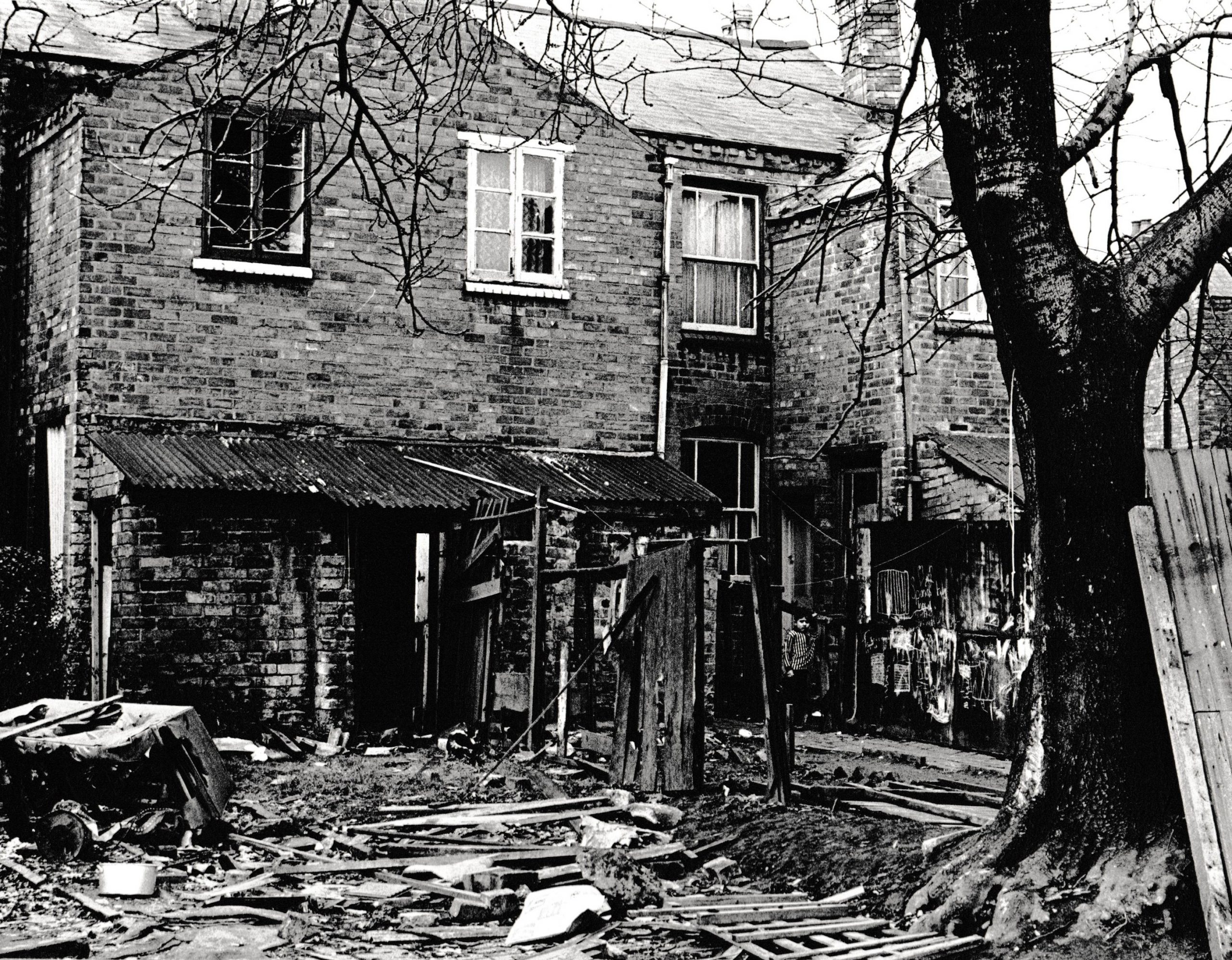
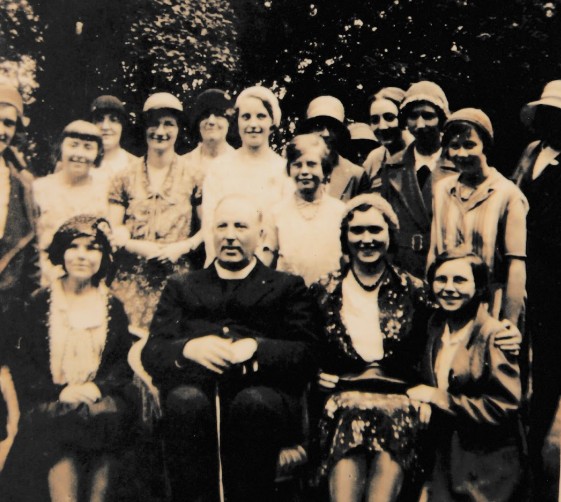
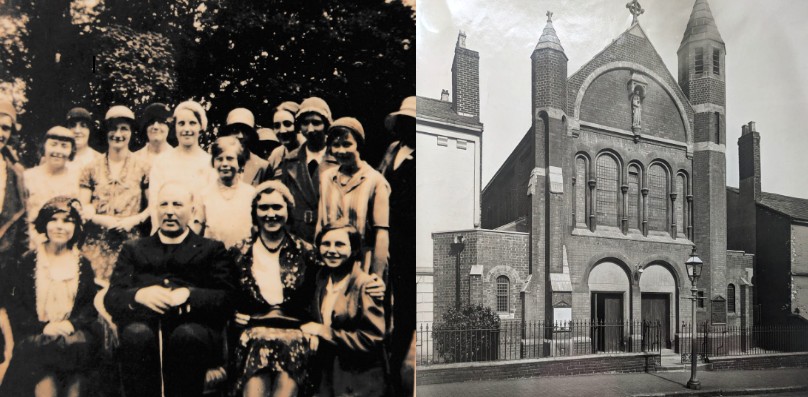
Photos from the Mick Turner archive offered a glimpse into the area’s past. Complementing these historical photos were precious images from the church’s own photo albums, which they kindly allowed us to access. These personal snapshots gave an intimate perspective on the community’s history. We prepared a slide show and audio recordings. These interviews, conducted by Marcus and church regular Dawn, captured the lived experiences at St.John and St.Martin Church.
Mick Turner photo 1970s
Sharing Memories, Preserving Heritage
The true magic of the event lay in the conversations – People of all generations gathered around tables, sharing their memories, experiences, and reflections on Balsall Heath’s past and present.
One former pupil of the school (on which the very hall we were in was based!) reminisced about his family and vividly recalled walking onto the stage in 1971, which is still there, dressed as a Roman soldier. Others shared fond memories of shopping at Freeman Hardy Willis and Woolworths, playing football against a wall in the park adjacent to the church, helping identify locations and more about the Church history and the Irish Community which used it.
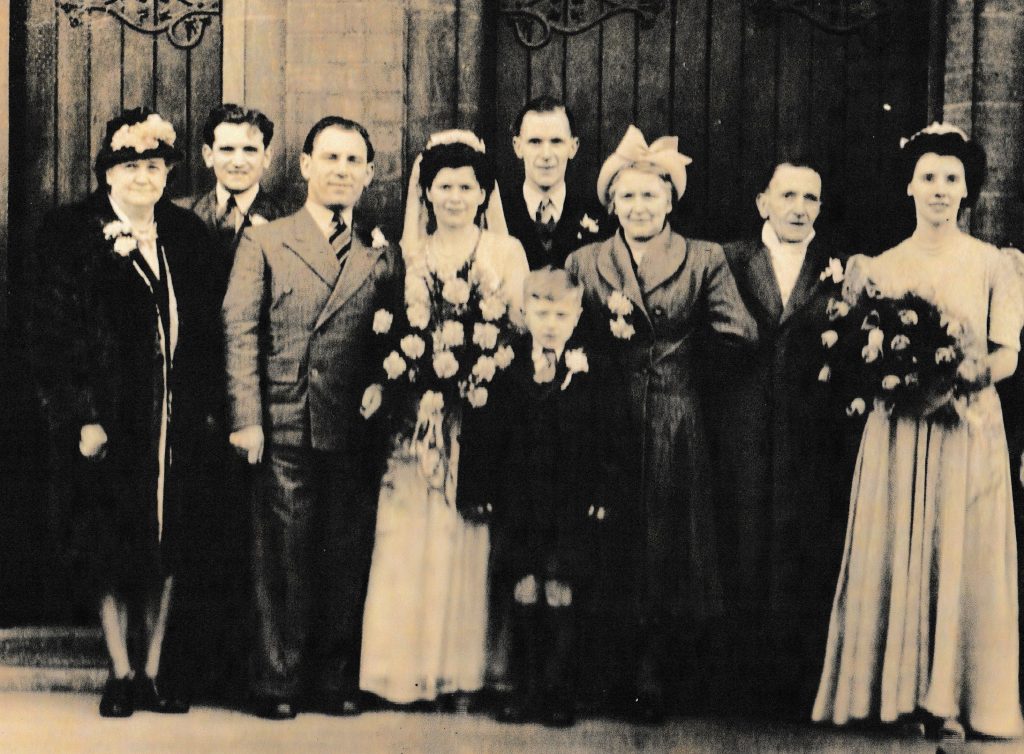
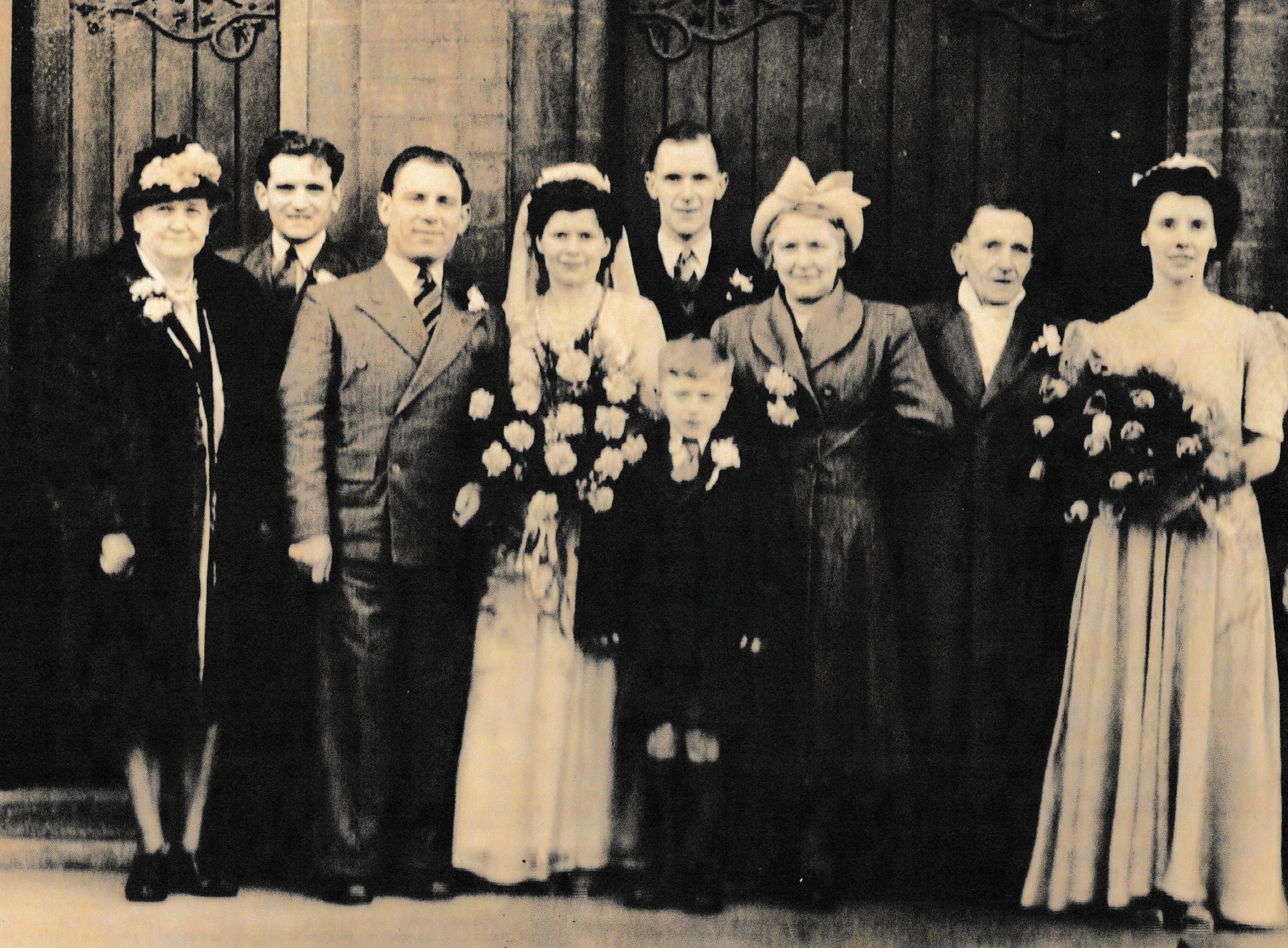
A wedding photo, unidentified people late 1940s
Connecting Generations, Celebrating Balsall Heath
The event brought together a diverse group of people, spanning generations. It was inspiring to witness the exchange of stories between older residents, who remembered Balsall Heath in its earlier days, and younger community members, who are helping shape its future.
The conversations naturally turned to how the area has changed over the years. We discussed the ways in which Balsall Heath has evolved, reflecting on both the enduring aspects of its character and the significant changes that have shaped its current identity. There was a sense of shared understanding that while much has changed, a core spirit of the community remains.
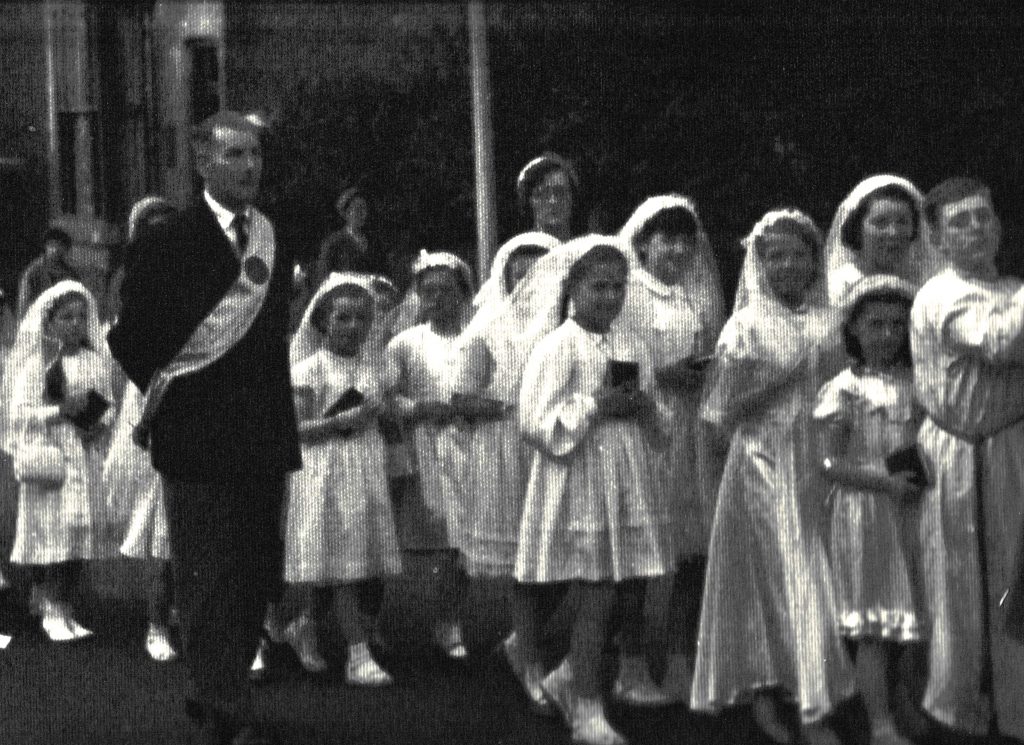
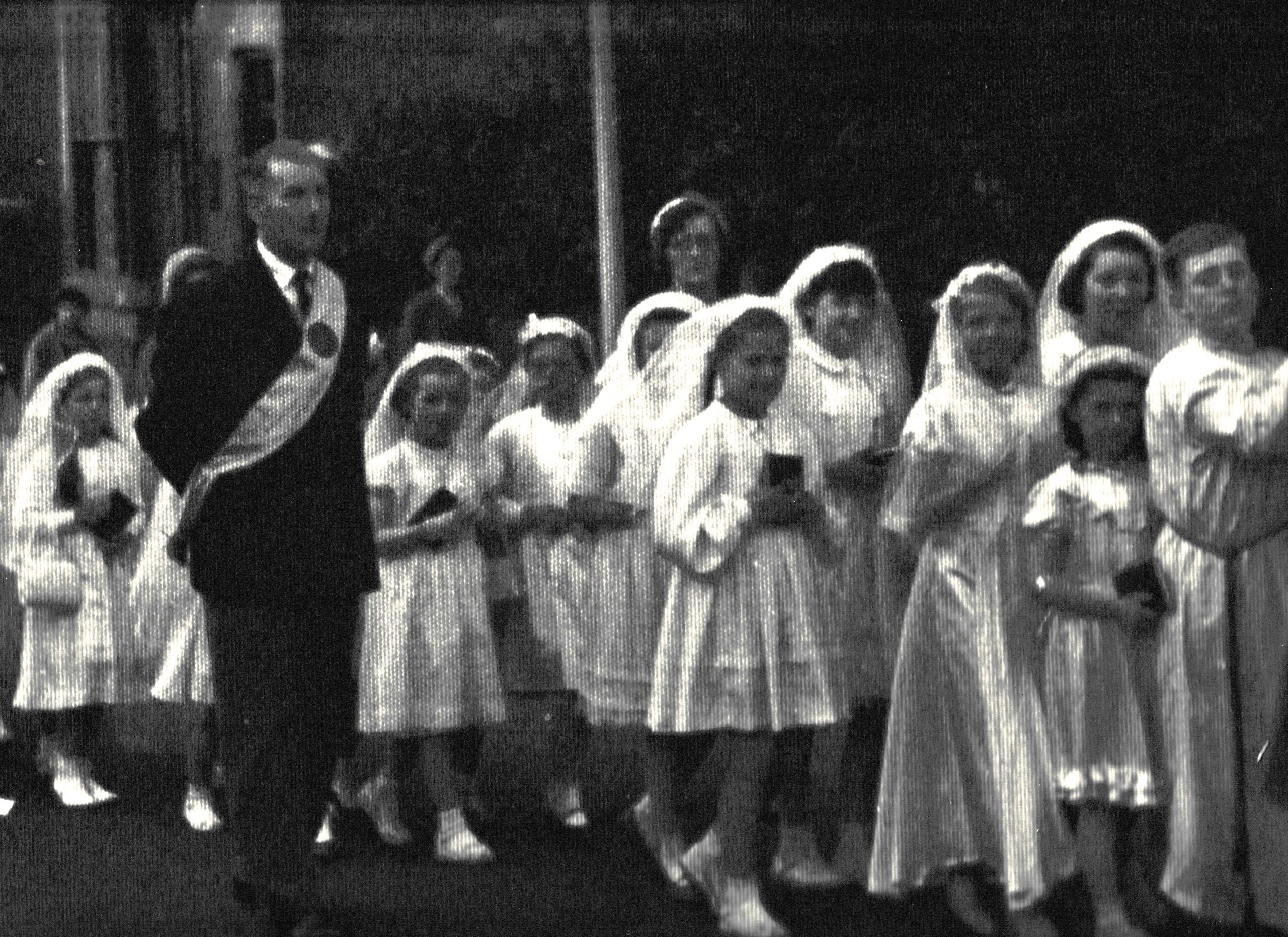
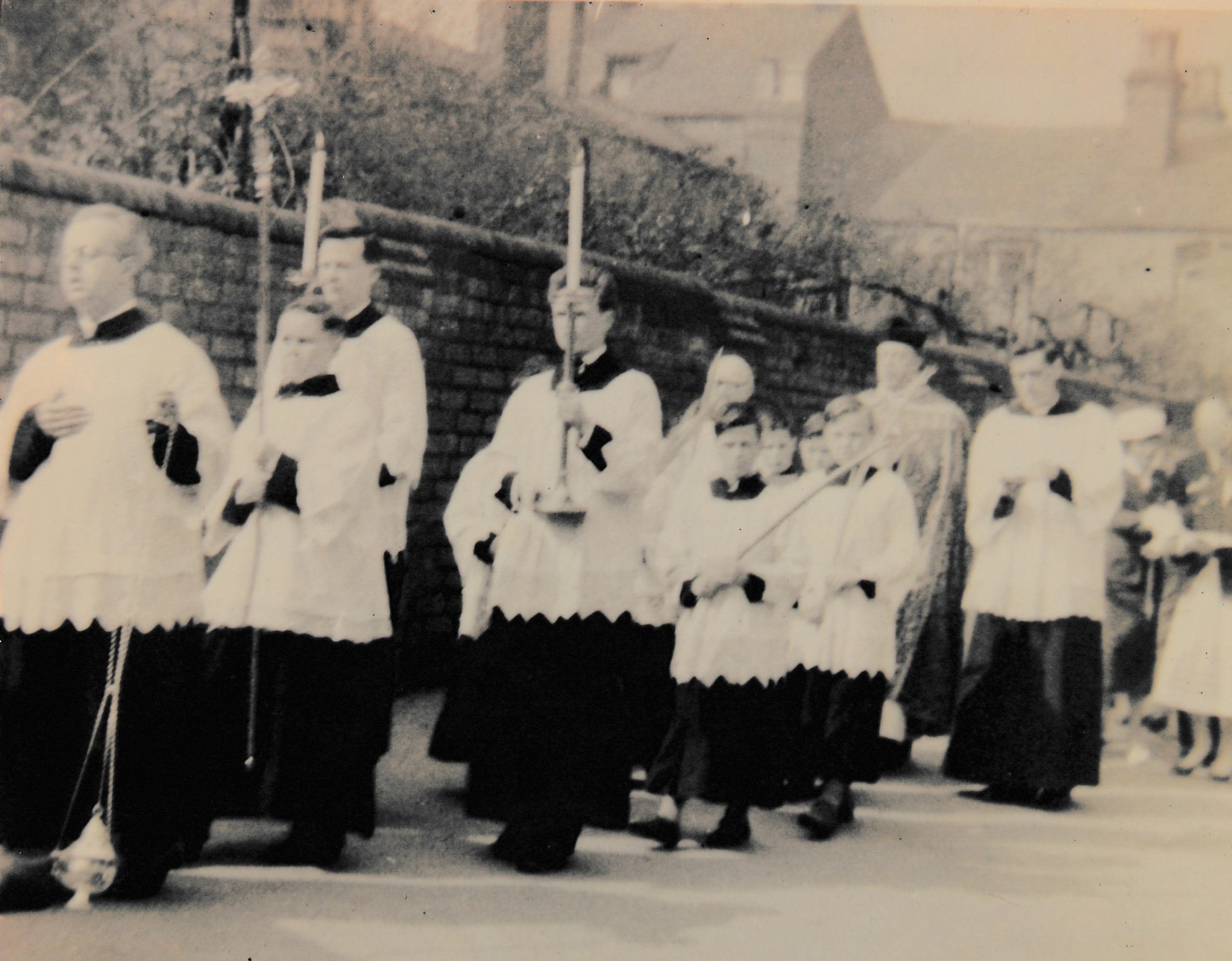
A First Holy Communion procession, probably 1950s, where children receive the Eucharist for the first time, often processing through the local streets.
A Testament to Community Spirit
Everyone agreed the importance of heritage, and the enduring value of sharing our stories – we intend to repeat this event in early July and are looking to the possibility of a ‘Faith Trail’ recognising the many significant Faith Centres there have been, and are, across Balsall Heath.
We are deeply grateful to everyone who participated, from those who shared their memories to the dedicated individuals who made the event possible. We hope this event has inspired others to connect with their own heritage and to cherish the stories that make our communities so unique.
Thank You to St. John and St. Martin Catholic Church
We’re interested to talk and share your memories and reflections on Balsall Heath’s history, and looking towards wider conversations and celebrations across Balsall Heath. Contact me if you are interested in running your own event or perhaps taking part (or helping lead) a ‘Faith Trail’ this July.
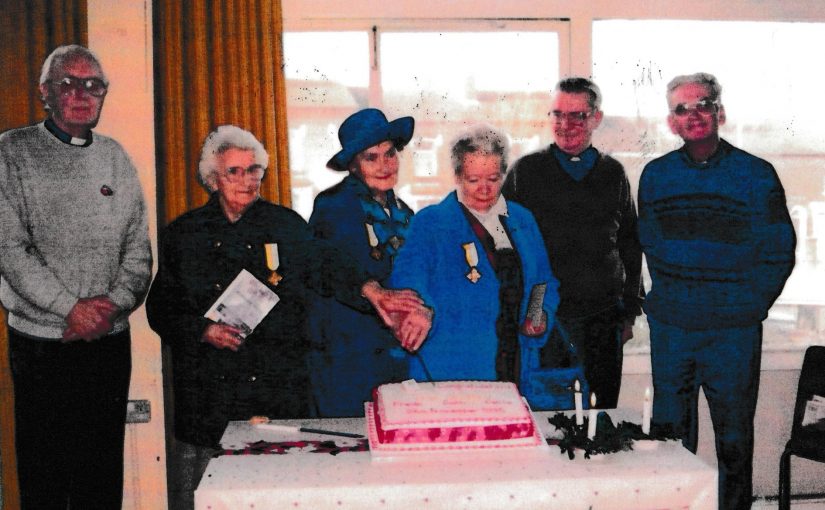
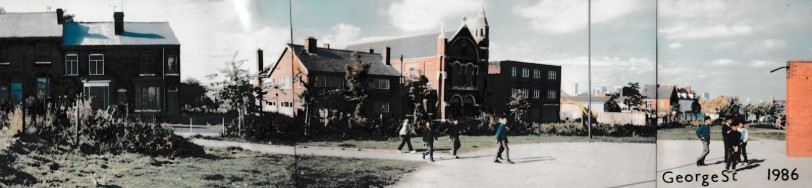
Mick Turner photo 1970sInside cover of a Souvenir leaflet from 1996Mick Turner photo 1970sA wedding photo, unidentified people late 1940sA First Holy Communion procession, probably 1950s, where children receive the Eucharist for the first time, often processing through the local streets.A street procession in the 1950s, most likely on a Saint’s dayThe ‘Benemerenti’ Medal is an honour awarded by the Pope for long and exceptional service to the Catholic Church.Street view of George Street with St.Martin and St.John Church centralStreet view of George Street with St.Martin and St.John Church central