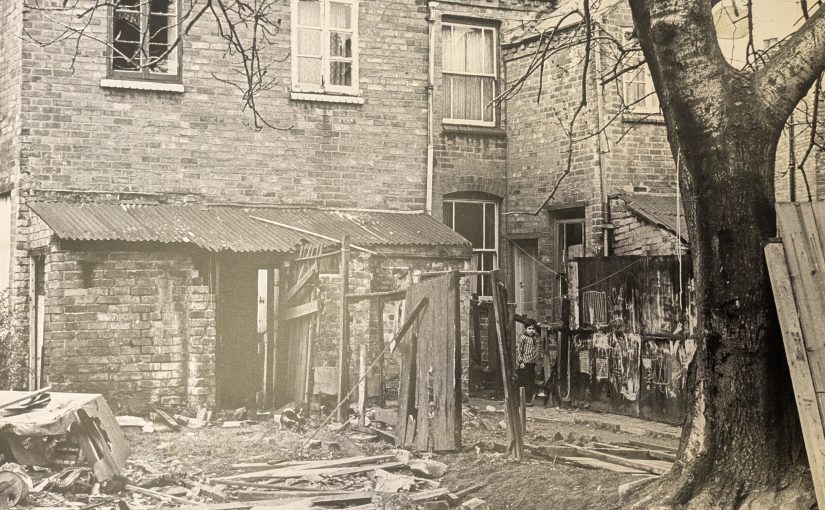
When we think of the Holocaust, our minds often travel to distant lands, barbed wire and Auschwitz. The legacy of Genocides are in fact much closer, in the red-brick terraces of our neighbours.
Balsall Heath has been a “gateway” neighbourhood—a place defined by migration, from the Irish and Jewish communities in the early 20th century to ‘Commonwealth citizens’ arriving in the 50s, and more people through to present day. The Jewish community in Birmingham was initially concentrated around inner-city areas like Hurst Street and Holloway Head before spreading into Moseley, Edgbaston and Balsall Heath.
A Sanctuary in the Second City
In the late 1930s, as the shadow of the Nazi regime stretched across Europe, the Kindertransport began bringing thousands of Jewish children to Britain, many finding their way to the West Midlands.
Local Quaker groups and civic organizations like Woodcraft Folk were instrumental in finding “host homes” for children of desperate families fleeing persecution.
Following the liberation of Death Camps in 1945, many survivors came to the UK, some eventually settling in Balsall Heath, drawn by the affordable housing and welcoming community.

Why This History Matters Today
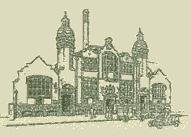
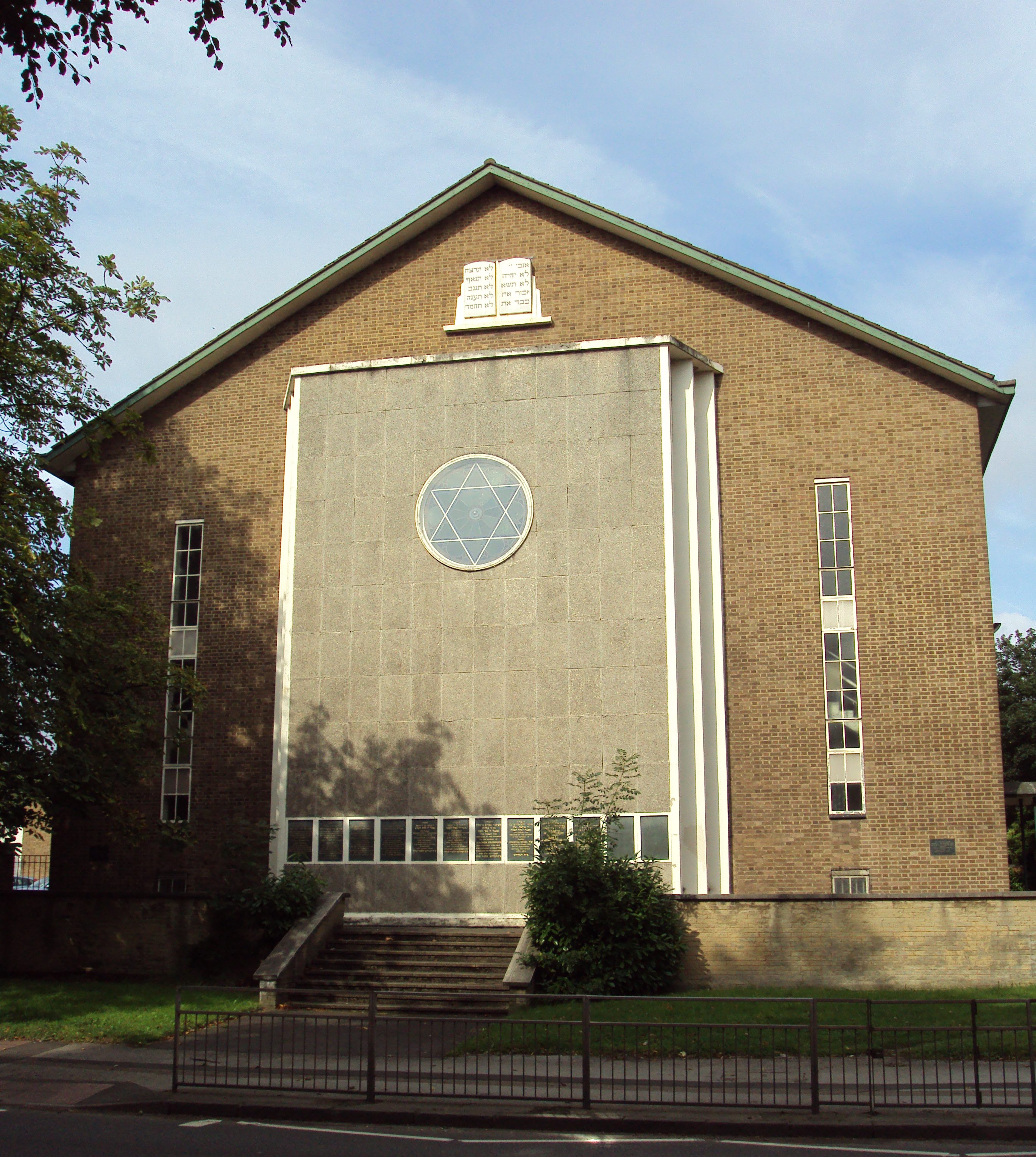
The main hub for the Orthodox Jewish community in the area is now the Birmingham Central United Synagogue, which is located near Balsall Heath (at 4 Speedwell Rd, Birmingham B5 7PR).
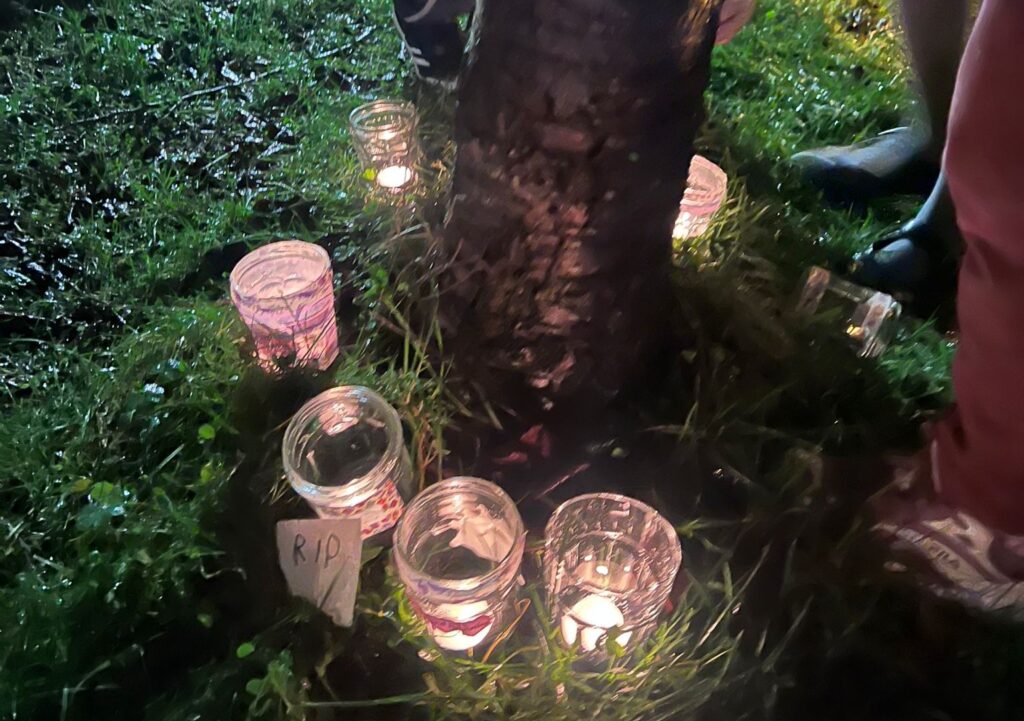
Today on Holocaust Memorial Day we remember the people who died in Death Camps in the 1940s, as well as countless millions who still die in Genocides across the world. It is also important to remember the difference we can and have made, not least, the residents of Birmingham who opened their doors in 1939 making a choice that saved lives.
“To forget a Holocaust is to kill twice.”
Elie Wiesel, Holocaust survivor

Read the story of Kitty Hart-Moxon, Birmingham Holocaust survivor. She celebrated her 99th birthday on December 1, 2025.
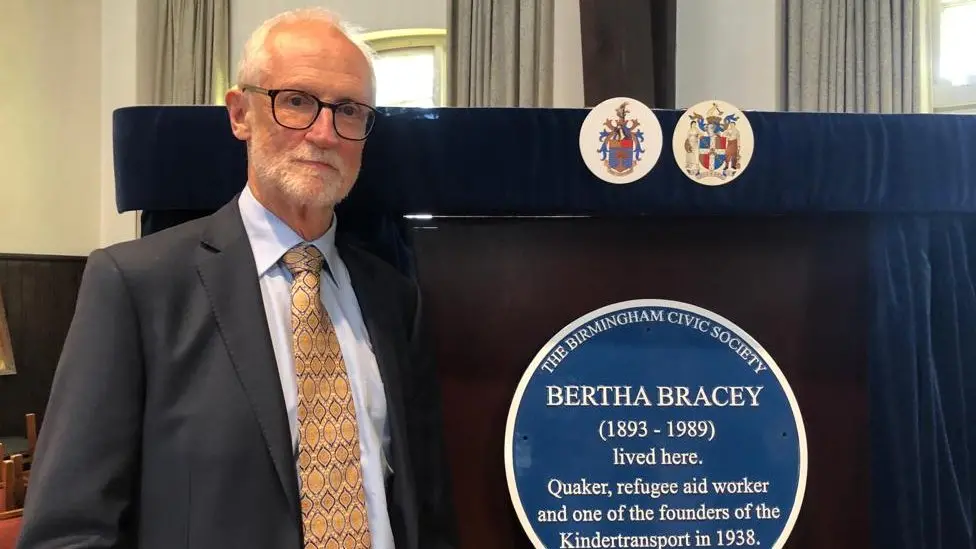
Also see Bertha Bracey, quaker refugee aid worker and on of the founders of Kindertransport.